






Hey there, fellow electronics enthusiasts! As a supplier of the TVS SMBJ TVS Diode, I've seen firsthand how crucial it is to ensure proper grounding in a circuit. In this blog post, I'll share some tips and tricks on how to make sure your TVS SMBJ TVS Diode is grounded correctly.
First off, let's talk about why grounding is so important. Grounding provides a safe path for electrical currents to flow into the earth, which helps protect your circuit from voltage spikes and electrostatic discharge (ESD). When a TVS SMBJ TVS Diode is properly grounded, it can quickly divert excess voltage away from sensitive components, preventing damage and malfunctions.
Now, let's get into the nitty - gritty of how to ground the TVS SMBJ TVS Diode properly.
1. Choose the Right Grounding Point
The first step is to pick the right spot for grounding. You want to choose a low - impedance grounding point. In most circuits, the main ground plane is a great choice. The ground plane acts as a large conductor that can absorb and disperse electrical energy effectively.
When you're looking at the PCB layout, make sure the connection to the ground plane is as short and direct as possible. A long or convoluted trace can introduce inductance, which can slow down the response of the TVS diode during a voltage spike. So, try to place the TVS SMBJ TVS Diode close to the ground plane and use wide traces for the connection. You can check out more about the SMBJ TVS Diode on our website for detailed specifications that might influence your grounding decisions.
2. Use Proper Grounding Techniques
There are a few different techniques you can use to ground the TVS SMBJ TVS Diode. One common method is to use vias. Vias are small holes in the PCB that connect different layers. If your PCB has multiple layers, you can use vias to connect the TVS diode to the ground plane on an inner layer.
Make sure to use multiple vias in parallel. This reduces the overall impedance of the connection and improves the grounding performance. Another technique is to use a ground strap. A ground strap is a flexible conductor that can be used to connect the TVS diode to the ground. This is especially useful in situations where you need a more flexible connection, like in a movable device.
3. Consider the Circuit Environment
The environment in which your circuit operates can also affect the grounding of the TVS SMBJ TVS Diode. For example, if your circuit is in a high - electromagnetic interference (EMI) environment, you might need to take extra precautions. You can use shielding techniques to protect the TVS diode from external EMI.
Also, if your circuit is exposed to moisture or other contaminants, make sure the grounding connections are well - protected. Corrosion can increase the impedance of the grounding path, which can reduce the effectiveness of the TVS diode.
4. Test the Grounding
Once you've grounded the TVS SMBJ TVS Diode, it's important to test the grounding. You can use a multimeter to measure the resistance between the TVS diode and the ground. A low resistance value indicates a good grounding connection.
You can also perform ESD tests on your circuit. Use an ESD simulator to apply a controlled voltage spike to the circuit and see how the TVS diode responds. If the TVS diode is properly grounded, it should be able to divert the excess voltage and protect the other components in the circuit.
Comparing with Other TVS Diodes
It's worth noting that the grounding principles for the TVS SMBJ TVS Diode are similar to those of other TVS diodes. For example, the SMAJ TVS Diode and SMCJ TVS Diode also require proper grounding to function effectively. However, the physical size and electrical characteristics of these diodes might influence the specific grounding techniques you use.
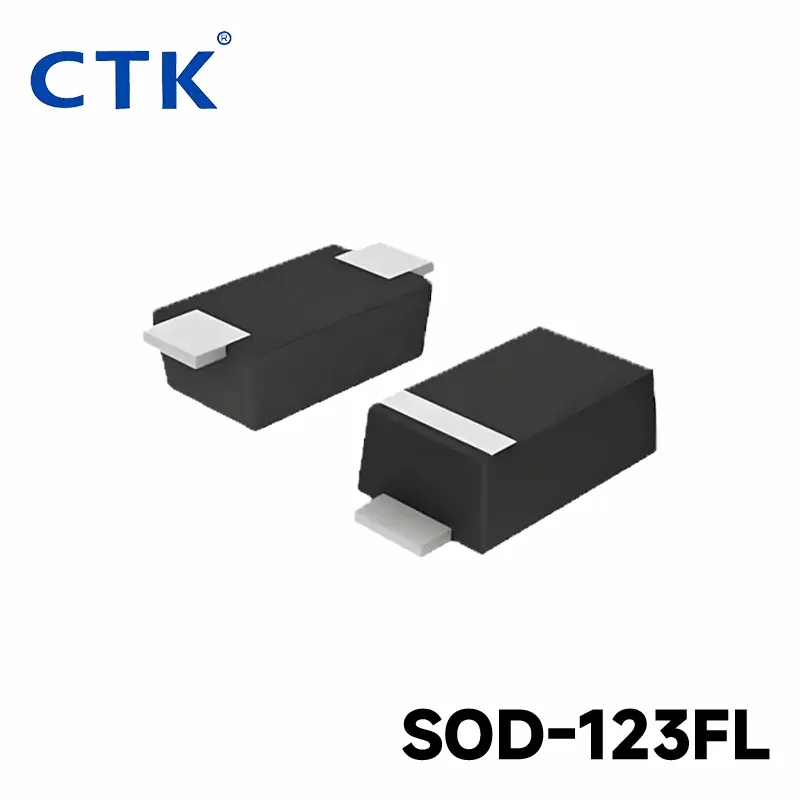
The SOD123FL TVS Diode, on the other hand, has a different form factor and is often used in more space - constrained applications. When grounding the SOD123FL TVS Diode, you might need to be more creative with your PCB layout to ensure a proper connection to the ground.

Conclusion
Ensuring the proper grounding of the TVS SMBJ TVS Diode is a critical step in protecting your circuit from voltage spikes and ESD. By choosing the right grounding point, using proper techniques, considering the circuit environment, and testing the grounding, you can make sure your TVS diode works as intended.
If you're interested in purchasing high - quality TVS SMBJ TVS Diodes or have any questions about grounding or our other products like the SMAJ, SOD123FL, or SMCJ TVS Diodes, feel free to reach out. We're here to help you with all your TVS diode needs and ensure your circuits are well - protected.
References
- "TVS Diodes: A Comprehensive Guide", Electronics Today Magazine
- "PCB Design for ESD Protection", IEEE Transactions on Electromagnetic Compatibility