





As a supplier of DIODE SMC Fast Recovery Diodes Surface Mount Superfast Recovery Rectifiers, I often receive inquiries about various technical specifications, and one of the most common questions is about the storage temperature range. In this blog post, I'll delve into the details of the storage temperature range for these diodes, explain why it's crucial, and touch on other related aspects.
Understanding DIODE SMC Fast Recovery Diodes
Before we discuss the storage temperature range, let's briefly understand what DIODE SMC Fast Recovery Diodes Surface Mount Superfast Recovery Rectifiers are. These diodes are designed for high - speed switching applications. They can quickly transition from the conducting state to the non - conducting state, which is essential in many modern electronic circuits such as power supplies, inverters, and motor control systems.
The surface - mount design of SMC packages makes them suitable for compact circuit boards, allowing for high - density component placement. Their superfast recovery characteristic reduces power losses and improves the overall efficiency of the circuit.
The Importance of Storage Temperature Range
The storage temperature range of a diode is a critical parameter. Storing diodes outside of their specified temperature range can have several negative impacts. Firstly, extreme temperatures can cause physical damage to the diode's internal structure. For instance, thermal expansion and contraction at high and low temperatures respectively can lead to stress on the semiconductor material and the bonding wires, potentially causing cracks or breakage.
Secondly, the electrical characteristics of the diode can be altered. High temperatures can increase the leakage current, which means that power will be wasted even when the diode is supposed to be in the non - conducting state. On the other hand, low temperatures can increase the forward voltage drop, which can affect the performance of the circuit by reducing the available voltage for other components.
Storage Temperature Range of DIODE SMC Fast Recovery Diodes
The typical storage temperature range for DIODE SMC Fast Recovery Diodes Surface Mount Superfast Recovery Rectifiers is from - 55°C to + 150°C. This wide range is designed to accommodate various storage and transportation conditions.
The lower limit of - 55°C is set to ensure that the diode can withstand cold environments, such as those encountered in some industrial refrigeration systems or outdoor applications in cold climates. At this low temperature, the semiconductor material's properties change in a way that doesn't cause permanent damage, although the electrical performance may be slightly different.


The upper limit of + 150°C is determined by the melting point of the solder used in the surface - mount package and the thermal stability of the semiconductor material. Above this temperature, the solder may start to melt, leading to poor electrical connections or even complete detachment of the diode from the circuit board. Additionally, the semiconductor material may start to degrade, causing a significant change in the diode's electrical characteristics.
Comparison with Other Packages
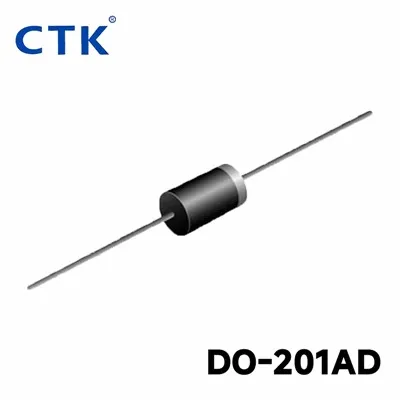
It's interesting to compare the storage temperature range of DIODE SMC Fast Recovery Diodes with other common fast - recovery diode packages. For example, DO - 201AD Fast Recovery Diodes typically have a similar storage temperature range, usually from - 55°C to + 175°C. The slightly higher upper limit in DO - 201AD can be attributed to its larger and more robust package, which can dissipate heat better.
TO - 247 Fast Recovery Diodes also have a wide storage temperature range, often from - 55°C to + 175°C. This package is commonly used in high - power applications, and its design allows it to handle higher temperatures during both operation and storage.
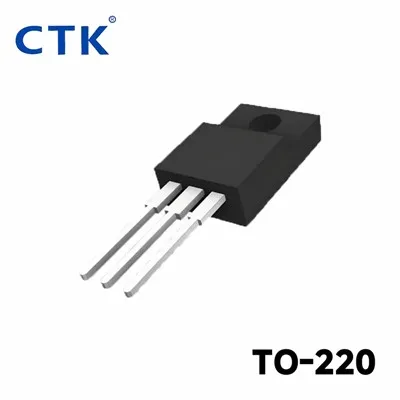
TO - 220AC Fast Recovery Diodes usually have a storage temperature range similar to the DIODE SMC, around - 55°C to + 150°C. The TO - 220AC package is widely used in medium - power applications and strikes a balance between size, performance, and thermal management.
DO - 41 Fast Recovery Diodes and DO - 15 Fast Recovery Diodes generally have storage temperature ranges from - 55°C to + 125°C. These are smaller packages, and their relatively lower upper temperature limit is due to their limited heat - dissipation capabilities.
Ensuring Proper Storage Conditions
As a supplier, I always recommend that our customers store our DIODE SMC Fast Recovery Diodes in a clean, dry, and temperature - controlled environment. Moisture can also be a problem for diodes, as it can cause corrosion of the metal parts and affect the electrical insulation.
If you need to store the diodes for an extended period, it's advisable to use moisture - barrier bags with desiccants. This will help maintain a low - humidity environment and protect the diodes from moisture - related damage.
Application - Specific Considerations
When using DIODE SMC Fast Recovery Diodes in different applications, the temperature range during operation should also be considered. Although the storage temperature range is an important parameter, the actual operating temperature may be different. For example, in high - power switching applications, the diodes may generate a significant amount of heat, and appropriate heat - sinking measures should be taken to ensure that the temperature during operation remains within the specified range.
Conclusion
In conclusion, the storage temperature range of DIODE SMC Fast Recovery Diodes Surface Mount Superfast Recovery Rectifiers is typically from - 55°C to + 150°C. Understanding this range is crucial for ensuring the long - term reliability and performance of the diodes. By storing them within the recommended temperature range and appropriate humidity conditions, you can minimize the risk of damage and maintain the diodes' electrical characteristics.
If you are in the market for high - quality DIODE SMC Fast Recovery Diodes or other related fast - recovery diodes, please don't hesitate to contact us for procurement and further technical discussions. We are committed to providing you with the best products and services to meet your specific needs.
References
- Semiconductor Device Physics and Technology by S.M. Sze
- Handbook of Electronic Components by R. B. Reichmann