





Hey there! As an ESD (Electrostatic Discharge) supplier, I'm often bombarded with questions about what materials are ESD-safe. So, I thought I'd put together this blog to shed some light on the topic.
First off, let's understand what ESD is. Electrostatic discharge is a rapid transfer of electrostatic charge between two objects at different electrical potentials. This can happen when you walk across a carpet and then touch a doorknob, or when handling electronic components. ESD can cause serious damage to sensitive electronic devices, leading to malfunctions, reduced lifespan, or even complete failure. That's why using ESD-safe materials is crucial, especially in industries like electronics manufacturing, where even the slightest spark can spell disaster.
Conductive Materials
One of the most common types of ESD-safe materials is conductive materials. These materials have a low electrical resistance, which allows the electrostatic charge to flow through them and dissipate safely. Metals are the most well-known conductive materials, and they're often used in applications where a high level of conductivity is required. For example, copper and aluminum are commonly used in electrical wiring and grounding systems to prevent the buildup of static electricity.
In the world of ESD protection, we also have conductive plastics. These plastics are infused with conductive additives, such as carbon black or metallic fibers, to give them electrical conductivity. Conductive plastics are lightweight, durable, and can be easily molded into various shapes, making them ideal for a wide range of applications. They're often used in electronic enclosures, packaging materials, and work surfaces to provide a safe pathway for electrostatic discharge.
Static-Dissipative Materials
Another important category of ESD-safe materials is static-dissipative materials. Unlike conductive materials, static-dissipative materials have a higher electrical resistance, which allows the electrostatic charge to dissipate slowly. This gradual dissipation helps to prevent sudden discharges that could damage sensitive electronic components.
Static-dissipative materials are commonly used in workstations, flooring, and packaging. For example, static-dissipative mats are placed on workbenches to provide a safe surface for handling electronic devices. These mats are made from a special material that allows the static charge to flow slowly to the ground, reducing the risk of ESD. Similarly, static-dissipative flooring is used in cleanrooms and electronic manufacturing facilities to prevent the buildup of static electricity on the floor surface.
Antistatic Materials
Antistatic materials are designed to reduce or eliminate the generation of static electricity. These materials work by either preventing the buildup of charge on their surface or by quickly dissipating any charge that does accumulate. Antistatic materials are often used in packaging, clothing, and cleaning products.
For example, antistatic bags are commonly used to package electronic components. These bags are made from a special material that has antistatic properties, which helps to prevent the buildup of static electricity on the surface of the bag and the components inside. Antistatic clothing is also worn by workers in electronic manufacturing facilities to prevent the generation of static electricity from their bodies.
ESD Protection Devices
In addition to using ESD-safe materials, ESD protection devices are also essential for protecting electronic components from electrostatic discharge. These devices are designed to divert the static charge away from the sensitive components and safely to the ground.


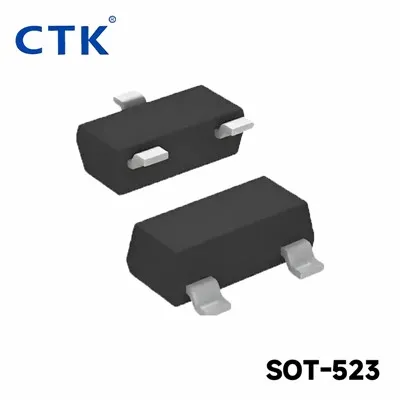
One of the most common types of ESD protection devices is the ESD protection diode. These diodes are designed to conduct the electrostatic charge away from the protected circuit when a high-voltage transient occurs. They're available in a variety of packages, such as SOD-523, SOD-323, and SOT-23, to suit different applications.
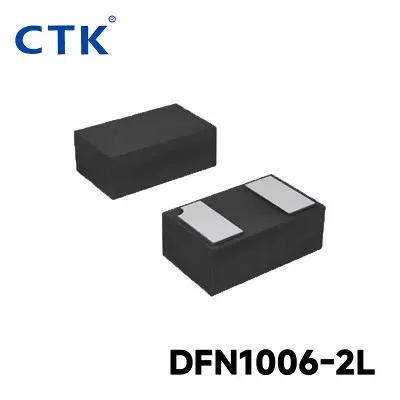
Another type of ESD protection device is the DFN1006-2L ESD Protection Devices – Ultra-Compact TVS Solutions for SMD Design. These devices are specifically designed for surface-mount technology (SMD) applications and provide ultra-compact solutions for protecting sensitive electronic components from ESD.
How to Choose the Right ESD-Safe Materials
When choosing ESD-safe materials, it's important to consider the specific requirements of your application. Here are some factors to keep in mind:
- Conductivity: The level of conductivity required depends on the application. For high-risk applications, such as handling sensitive electronic components, conductive materials may be the best choice. For less critical applications, static-dissipative or antistatic materials may be sufficient.
- Mechanical Properties: Consider the mechanical properties of the material, such as strength, flexibility, and durability. The material should be able to withstand the environmental conditions and mechanical stresses of the application.
- Cost: Cost is always a factor when choosing materials. Look for materials that offer the best balance of performance and cost for your application.
- Compliance: Make sure the materials comply with relevant industry standards and regulations, such as ISO 10605 and ANSI/ESD S20.20.
Conclusion
In conclusion, there are several types of ESD-safe materials available, each with its own unique properties and applications. Conductive materials, static-dissipative materials, antistatic materials, and ESD protection devices all play important roles in protecting sensitive electronic components from electrostatic discharge.
As an ESD supplier, I'm committed to providing high-quality ESD-safe materials and devices to meet the needs of my customers. Whether you're in the electronics manufacturing industry or any other industry that requires ESD protection, I can help you find the right solutions for your application.
If you're interested in learning more about our ESD products or have any questions about ESD protection, please don't hesitate to reach out. We'd be happy to discuss your requirements and help you choose the best materials and devices for your application. Let's work together to ensure the safety and reliability of your electronic components.
References
- Coffin, C., & Gadlage, R. (2007). ESD Handbook ESD TR20.20-2007: A guide to the development of an electrostatic discharge control program for protection of electrical and electronic parts, assemblies and equipment (Excluding Explosive Atmospheres). ESD Association.
- Gooch, D. E., & Roth, C. C. (2008). Electrostatic Discharge in Electronics Manufacturing. Wiley-IEEE Press.