





In the wacky world of TVs, we often hear the term "resolution" thrown around. But what on earth does it really mean? As a TV supplier, I've dealt with all sorts of customers asking about this, so I'm here to break it down for you in simple terms.
Let's start from the basics. Resolution is all about the number of pixels a TV screen can display. Pixels are those tiny dots that make up the images you see on your TV. The more pixels there are, the clearer and more detailed the picture will be. Think of it like a painting. If you use a bunch of tiny brushstrokes, you can create a super detailed and sharp image. That's what high resolution does for your TV.
There are a few common types of TV resolutions you've probably heard of. First up, we have 720p. This was a big deal back in the day, and it means the screen has 720 horizontal lines of pixels. It's not super high - definition compared to what we have now, but it can still look okay, especially on smaller screens. For example, if you have a small TV in your bedroom just for catching up on the news or a quick movie, 720p might do the trick.
Then, there's 1080p, which is often called "Full HD". This one has 1080 horizontal lines of pixels, giving you a much crisper and more detailed picture. It's still pretty popular today, and a lot of content is produced in 1080p. Whether you're watching a big - budget movie or a live sports game, 1080p can make it look amazing. A whole lot of people still prefer 1080p TVs because they're usually more affordable than the higher - end ones.
But the real game - changers in the TV world are 4K and 8K. 4K resolution, also known as Ultra HD, has four times the number of pixels as 1080p. With 4K, you get this incredibly sharp and immersive picture. It's like being right there in the action. If you're a movie buff or a gamer, 4K is going to take your experience to a whole new level. You can see every little detail, from the sweat on an athlete's brow to the individual leaves on a tree in a nature documentary.
And then there's 8K. Oh man, this is the big league. 8K has four times the number of pixels as 4K, which is just mind - blowing. It offers the most detailed and realistic picture you can get on a TV right now. However, 8K content is still a bit scarce at the moment, but it's starting to grow. As more and more producers start making content in 8K, these TVs are going to become even more awesome.
Now, you might be wondering why resolution matters so much. Well, it all boils down to your viewing experience. A higher resolution TV can make a huge difference, especially on larger screens. If you have a big 65 - inch or 75 - inch TV with a low resolution, the picture is going to look pixelated and blurry. You'll notice all those little dots, and it'll take away from the enjoyment of what you're watching.
On the other hand, a high - resolution TV can make everything look like it's right in front of you. It can bring movies to life, make video games look like real - life adventures, and turn your ordinary TV time into something special. Plus, as technology keeps advancing, more and more content is being produced in higher resolutions. So, if you invest in a high - resolution TV now, you'll be future - proofing your entertainment setup.
As a TV supplier, we offer a wide range of TVs with different resolutions to suit everyone's needs and budgets. Whether you're looking for a basic 720p TV for your kids' room or a top - of - the - line 8K TV for your home theater, we've got you covered.
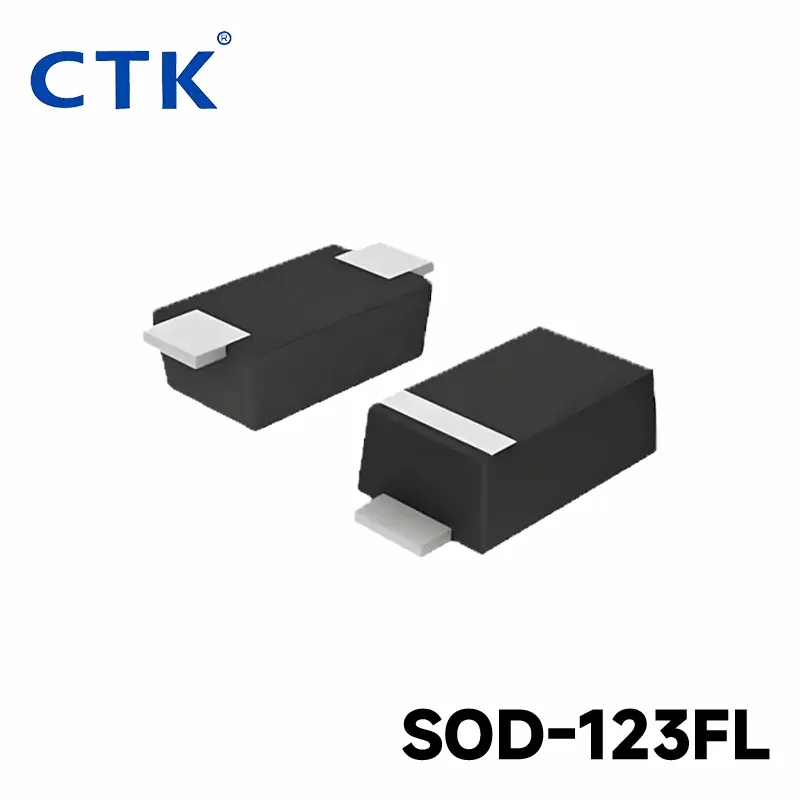
And speaking of components that are important for TV performance, there are some great TVS diodes out there. For example, the SOD123FL TVS Diode is a really reliable option. It helps protect your TV's circuits from voltage spikes and other electrical issues. Another good one is the SMAJ TVS Diode. It's known for its high - power handling capabilities and can keep your TV running smoothly.
The SMCJ TVS Diode is also a popular choice. It offers fast response times and can quickly absorb and dissipate excess energy. And then there's the SMBJ TVS Diode, which is great for smaller - scale protection. These diodes play a crucial role in maintaining the quality and lifespan of your TV.
So, if you're in the market for a new TV or just want to learn more about improving your current setup, don't hesitate to get in touch. We're here to help you find the perfect TV with the right resolution for your needs. Whether you're a casual viewer or a hardcore entertainment enthusiast, we can guide you through the process and make sure you get the best value for your money.
If you're interested in discussing your TV needs further or want to know more about our product range, feel free to reach out. We'll be more than happy to have a chat and assist you in making the right decision.
References
- General knowledge from the TV industry and personal experience as a TV supplier.
- Information about TVS diodes from industry - standard electronics resources.