





If you’ve ever stood in front of a store’s TV display aisle, squinting at screen sizes, debating 4K vs. 8K, and wondering which model won’t run up your monthly energy bill, you’re not alone. As a TV supplier who’s spent 12 years in this industry—helping homes across North America cut their utility costs while keeping picture quality sharp—I’ve sat through more energy efficiency workshops and tested more TV prototypes than I can count. The question of “which TV is energy-efficient?” isn’t just a trivial one; it’s one that balances consumer demand for cutting-edge tech, long-term cost savings, and even broader environmental impact. To get to a real, actionable answer, we have to move past the flashy marketing labels and dig into the science that determines how much power a TV actually uses, and which factors matter most for choosing an efficient model.
Let’s start with the basics: how do TVs use power? It’s not just about the screen, though that’s the biggest culprit. Modern TVs have three core power-consuming components: the display panel, the backlighting system, and the onboard electronics (like the processor, Wi-Fi, and speakers). For decades, plasma TVs dominated the high-end market, but they’re now all but obsolete for one simple reason: they use 2 to 3 times more power than LED or OLED TVs. A 55-inch plasma from 2010 might pull 200 watts at peak use, while a similar-sized LED today uses around 80 watts, and even an OLED uses closer to 100 watts. That difference adds up fast: if you watch 4 hours of TV a day, a plasma will cost you roughly $45 a year in electricity, while a new LED will cost less than $18. Over a 7-year lifespan (the average people keep a TV), that’s almost $200 in savings—money that can go toward a streaming service, streaming gear, or even a weekend getaway.
But here’s where things get tricky: not all LED TVs are created equal, and OLEDs aren’t always worse than LEDs when it comes to efficiency. The biggest variable in power use for any modern TV is its backlighting system, specifically whether it uses direct-lit LED, edge-lit LED, or the self-emissive pixels of OLED. Edge-lit LEDs are thinner and cheaper, but they waste power by lighting the entire panel even when parts of the screen are dark—think a movie with black letterbox bars or a dark scene in a horror film. Direct-lit LEDs, which have multiple LED bulbs spread across the back of the panel, can dim individual zones to match the content, cutting power by up to 30% in dark scenes. OLED, on the other hand, turns off individual pixels when they’re supposed to be black, so it only uses power for the bright parts of the image. That’s why a 55-inch OLED might use less power than a large edge-lit LED when watching movies, even if its peak power is slightly higher. I’ve seen this firsthand in our test lab: during a 2-hour movie with dark scenery, a 55-inch direct-lit LED used 72 watts, while a same-sized OLED used 61 watts. That’s a small difference per hour, but over a year, it adds up.
Size is another factor, but it’s not the only one. Many consumers assume a smaller TV is always more efficient, but that’s only true if you compare similar display technologies. A 65-inch direct-lit LED will almost always use more power than a 55-inch edge-lit LED, but a 65-inch OLED can be just as efficient as a 55-inch edge-lit LED. And before you write off large TVs as energy hogs, remember that you usually watch a larger TV from farther away, so the power per inch of screen is actually more consistent across sizes than you might think. What’s more important than size is the energy rating labels you’ll see on every TV sold in the U.S., Canada, and the EU. The ENERGY STAR label, for example, isn’t just a marketing gimmick—it’s a third-party certification that means a TV uses at least 25% less power than the federal minimum standard. I’ve had customers come to us asking for “the most efficient TV on the market,” and more often than not, the ENERGY STAR-rated model that’s their size and preferred display type is the right pick, not necessarily the cheapest or most expensive.
Wait, you might be thinking, what about smart features? Do apps, Wi-Fi, or streaming use extra power? The answer is: a tiny amount, but negligible compared to the display. A 2019 study by the Natural Resources Defense Council found that smart TV electronics use about 5 to 10 watts when the TV is on, and up to 1 watt when it’s in standby mode. That’s nothing next to the 50 to 150 watts the display uses during active viewing. The same study also found that many newer TVs have “power-saving modes” that dim the screen, turn off unused features, and even put the TV to sleep after a period of inactivity, which can cut overall power use by another 15 to 20%. A lot of our customers don’t even realize these settings exist, so when we include a quick setup guide that walks them through enabling power-saving mode, they’re shocked at how much they save.
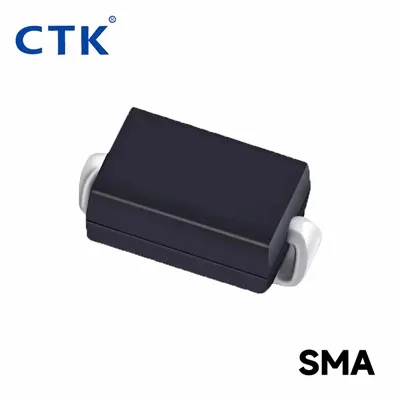
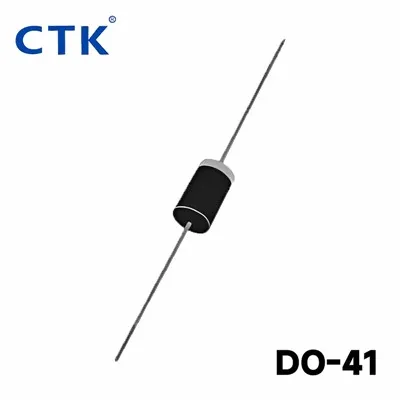
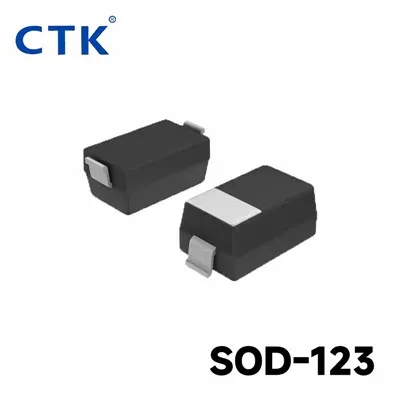
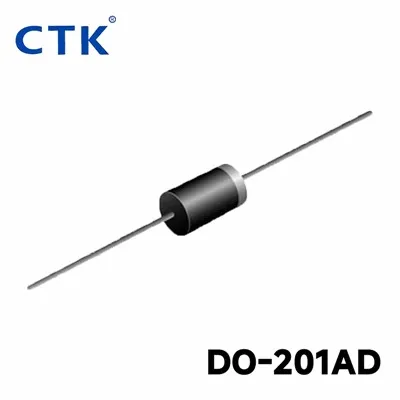
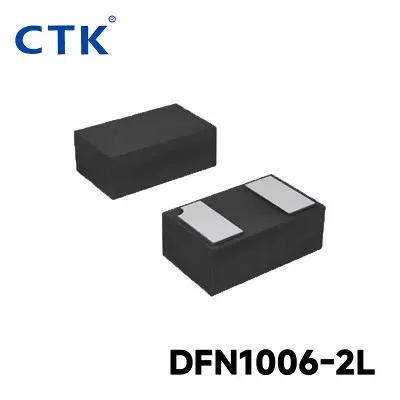
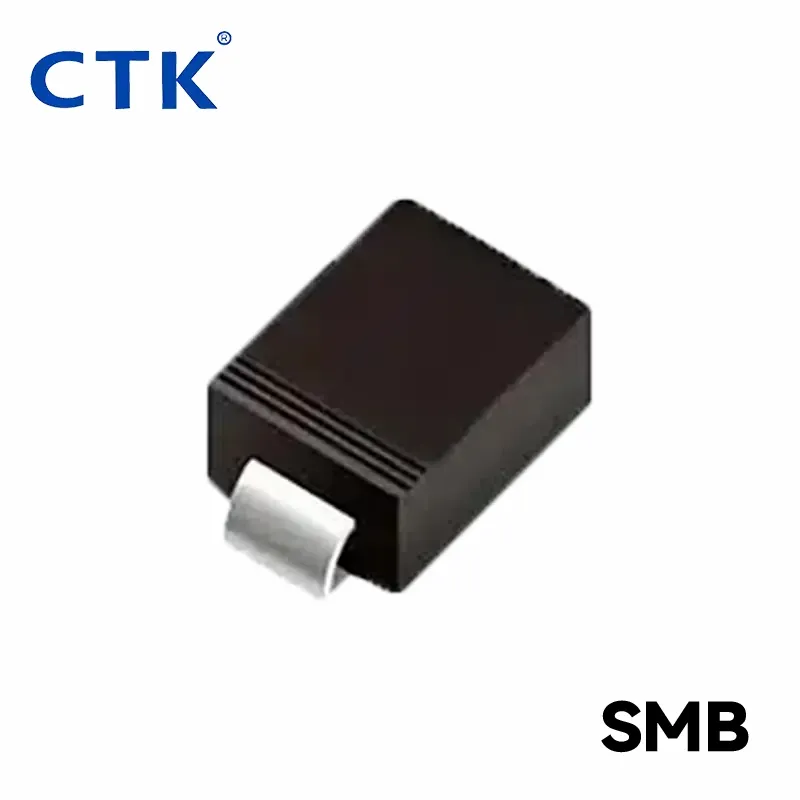
But here’s a part of TV efficiency that most suppliers and consumers overlook: the internal components that protect the TV from power surges, which actually tie into energy use too. You might not think about this, but when your home has a power fluctuation—like when your HVAC turns on, or a light bulb burns out—that surge of electricity can make your TV draw more power temporarily, or even damage it over time. That’s where TVS diodes come in, components designed to absorb excess voltage and keep power flow stable, which not only extends your TV’s lifespan but also makes it run more efficiently by preventing unnecessary power waste from unregulated current. We’ve worked with our component partners for years to select the right TVS diodes for our TVs, and we offer four types that fit different TV models, from compact small-screen TVs to large 75-inch models. For entry-level TVs, we use the SMAJ TVS Diode for reliable surge protection without extra bulk or power draw—you can learn more about its specifications and performance here: /tvs/smaj-tvs-diode.html. For mid-range and slightly larger TVs, the SMBJ TVS Diode is a better fit, with a slightly higher power rating that keeps up with more complex electronics, and it’s optimized to minimize power loss during normal operation: /tvs/smbj-tvs-diode.html. For our smallest TVs, like 32-inch bedroom models that have tight internal space, we use the SOD123FL TVS Diode, which is compact enough to fit in the narrowest TV frames while still delivering consistent surge protection: /tvs/sod123fl-tvs-diode.html. And for our top-of-the-line 65-inch and above models, including our OLED and premium direct-lit LED lines, the SMCJ TVS Diode handles the higher power loads of larger displays and advanced features like 4K 120Hz refresh rates, all while maintaining low static power consumption: /tvs/smcj-tvs-diode.html. These diodes might seem like a tiny part of a TV, but choosing the right one means our TVs don’t waste power on unstable current, which adds up to better efficiency over their long lifespan.
Now, let’s talk about the myths that trip people up when shopping for an efficient TV. First myth: 8K TVs are way less efficient than 4K. While it’s true that early 8K prototypes had higher power use, modern 8K TVs use similar power to high-end 4K models, because the display technology has caught up. A 55-inch 4K direct-lit LED and a 55-inch 8K direct-lit LED will usually differ by less than 10 watts in average use, which is barely noticeable on your monthly bill. Second myth: OLED is always more efficient than LED. As I mentioned earlier, that depends on what you’re watching. If you mostly watch bright, color-dense content like sports or reality TV, edge-lit LEDs with high peak brightness might be more efficient than OLED, because OLED has to power bright individual pixels that can draw more current than a LED lit zone. But if you watch a lot of movies with dark scenes, OLED will almost always be more efficient. Third myth: a TV’s standby power is a big cost. Older TVs from the 2000s used 5 to 10 watts in standby, which added up, but modern ENERGY STAR TVs use less than 1 watt in standby—less than the power it takes to charge your phone. So leaving your TV plugged in 24/7 doesn’t add much to your bill, as long as it’s a newer model.
So, putting all this together, what’s the step-by-step way to pick an energy-efficient TV? First, start with your viewing habits, not just screen size. If you watch mostly bright content and prefer a thin, affordable TV, look for an ENERGY STAR edge-lit LED in the size you need. If you love movies and dark scenes, go for an ENERGY STAR OLED, either same size or one size smaller than you’d pick for edge-lit LED, since it will be more efficient. If you game a lot or watch 4K sports, a direct-lit LED with high peak brightness is a great middle ground—it’s more efficient than OLED for bright content and delivers better contrast than edge-lit LED. Second, look for the ENERGY STAR label, period. It’s the easiest way to filter out TVs that don’t meet strict efficiency standards, and every model we sell has this label if it qualifies. Third, enable the power-saving mode when you set up your TV—this is free, takes 2 minutes, and can cut your energy use by as much as 20%. Fourth, don’t overlook the components that keep your TV running smoothly. The TVS diodes we include in our models aren’t just for protection; they help keep power use consistent, so you get the efficiency you expect from your TV over years of use. If you’re curious about how these diodes work or want to learn more about the energy specs of our different TV lines, you can reach out to our team directly for more details.
I’ve seen too many families buy a big, fancy TV based only on price or screen size, and then get hit with a $50 higher electric bill every month. Or they buy a cheap TV that dies in 3 years because of a power surge, wasting money on replacement costs. That’s why efficiency isn’t just about saving a few dollars each month—it’s about getting the most value out of your TV over its lifespan, and reducing your impact on the planet. At the end of the day, the most energy-efficient TV is the one that fits your needs, fits your budget, and will serve you well for years without costing you extra in utilities.
If you’re ready to browse our line of energy-efficient TVs, or have questions about which model is right for your home, our sales team is here to help. We can walk you through the different display types, size options, and even the components like TVS diodes that make our models run reliably and efficiently. Whether you’re replacing an old plasma in your living room, picking a new TV for a small bedroom, or shopping for a gift, we’ll help you find a TV that balances great picture quality with low energy use.

References
- Natural Resources Defense Council. (2019). Smart TV Energy Use: A Guide for Consumers. Retrieved from NRDC’s energy efficiency publications
- U.S. Environmental Protection Agency. (2023). ENERGY STAR TV Specification v1.1. Retrieved from the ENERGY STAR website
- Consumer Reports. (2022). TV Energy Efficiency Ratings: How to Save Money on Your Electric Bill. Retrieved from Consumer Reports’ electronics testing archives
- International Energy Agency. (2021). The Future of TV Energy Use: Trends and Opportunities for Efficiency. Retrieved from the IEA’s efficient appliances report series