





If you’re working in automotive electronics, you’ve probably heard a lot about TVS diodes. These little components are like bodyguards for your circuits, keeping them safe from voltage spikes that can mess up everything from your car’s infotainment to its engine control module (ECU). Lately, one question keeps popping up in my inbox—especially from auto techs and design engineers: Can TVS SMBJ TVS Diode actually hold their own in automotive environments?
As a supplier of TVS diodes, I get to talk shop with folks who are on the front lines of car tech every single day. So let’s cut through the jargon and break this down, no fancy terms that make your eyes cross. First, let’s remember what a TVS diode does. It’s a transient voltage suppressor—when a spike (say, from a jump start, a load dump, or even static electricity) hits, the diode kicks in fast, clamps that excess voltage to a safe level, and then goes back to work, no harm done.
Now, the automotive space is tough. Think about it: cars drive through extreme temps—below freezing in the north, sweltering in the desert. They deal with electrical noise from the engine, alternator, and even other electronics in the vehicle. And when something goes wrong with a circuit, it can’t just be fixed easily (especially if it’s an ECU buried under the dashboard). So whatever TVS diode you use needs to meet strict automotive standards, right?
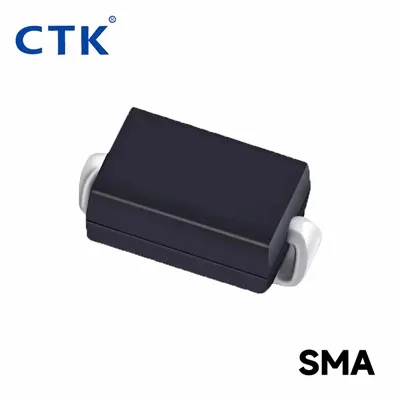
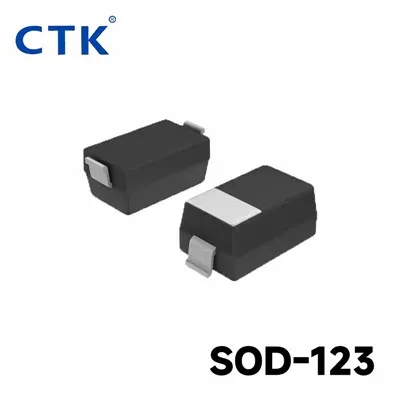
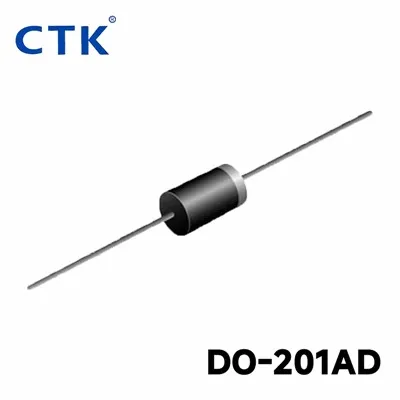
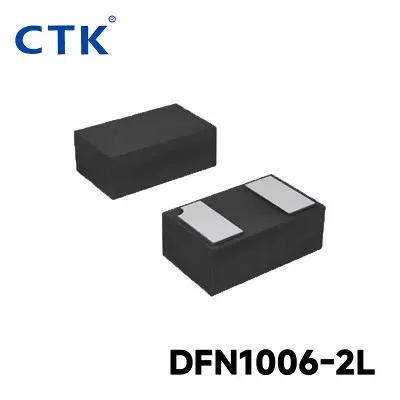
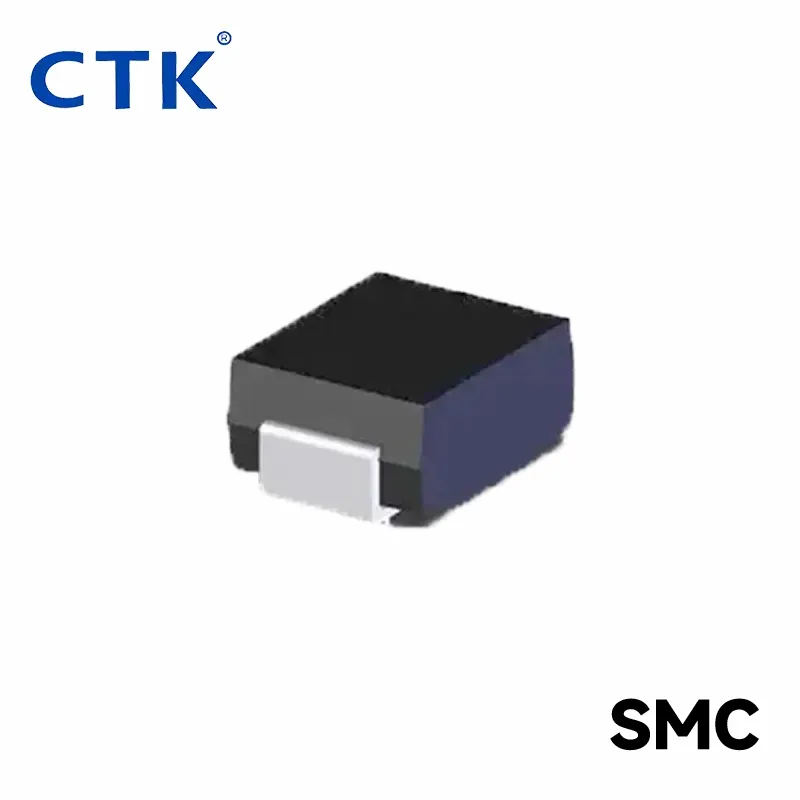
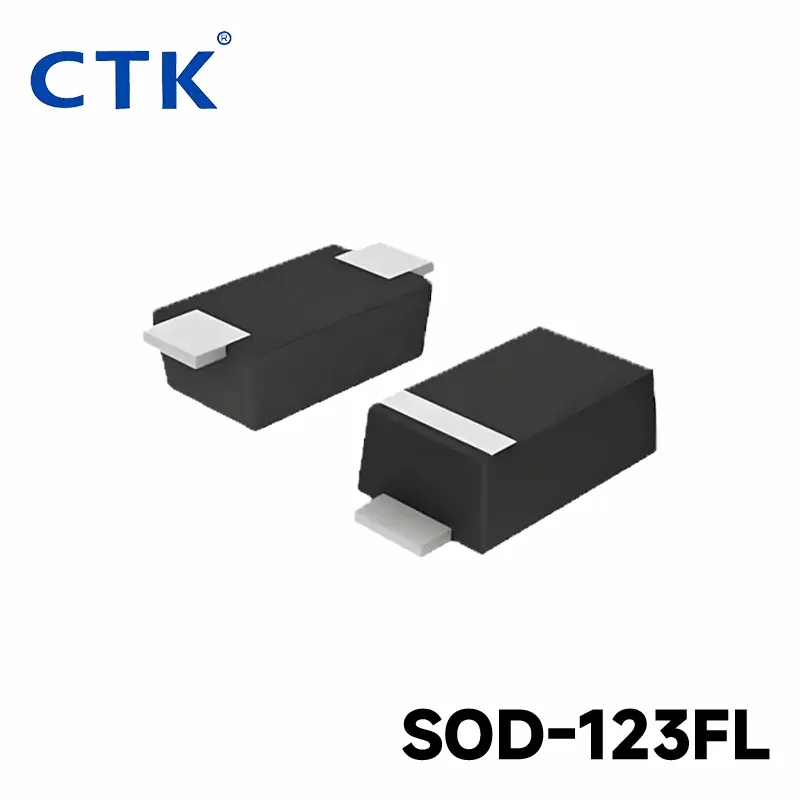
Let’s start with the basics of the SMBJ series. SMBJ is a surface-mount package—small, easy to assemble, which is perfect for modern cars where every inch of circuit board space counts. It’s part of the bigger line of SMB-style TVS diodes, and compared to similar packages like SMAJ TVS Diode (you can check that out at /tvs/smaj-tvs-diode.html) or SMCJ TVS Diode (here’s the link: /tvs/smcj-tvs-diode.html), SMBJ hits a sweet spot between size and performance. It’s not as tiny as, say, SOD123FL TVS Diode (/tvs/sod123fl-tvs-diode.html), which is great for ultra-compact spots, but it’s still small enough for most automotive PCBs, while handling more power than those smaller packages.
Now, let’s talk automotive-specific requirements. The big one is AEC-Q100 certification— that’s the industry standard for electronic components used in cars. It tests things like temperature range, thermal cycling, and humidity resistance to make sure the part works reliably under hood. A lot of SMBJ diodes are AEC-Q100 qualified, which is a huge win. I’ve seen designs where engineers swapped in SMBJ parts from other packages because they needed that automotive-grade reliability without giving up too much board space.
Wait, but what about the voltage specs? Cars have different systems: 12V for most passenger vehicles, 24V for trucks and commercial vehicles. A load dump (when the alternator suddenly takes over after a big electrical load is turned off) can spike a 12V system up to 60V or more, which is way too much for delicate circuits. The SMBJ series has a range of breakdown voltages—like 6.8V, 12V, 24V, all the way up to 85V—so you can pick the exact one that matches your system. No overkilling with a part that’s too big, or underkilling with one that’s too small. That’s important because too much voltage can waste power, too little can’t protect the circuit.
Another big one in automotive is reverse polarity protection. When someone accidentally hooks up a jumper cable backward, that sends negative voltage through the circuit. The SMBJ diode can handle that too—most of them are unidirectional or bidirectional, so if you need to protect against both positive and negative spikes, you can go bidirectional. I’ve had a customer who works on electric vehicle (EV) charging ports tell me the SMBJ is perfect there because charging systems deal with all kinds of voltage fluctuations, including reverse polarity if a cable is plugged in wrong.
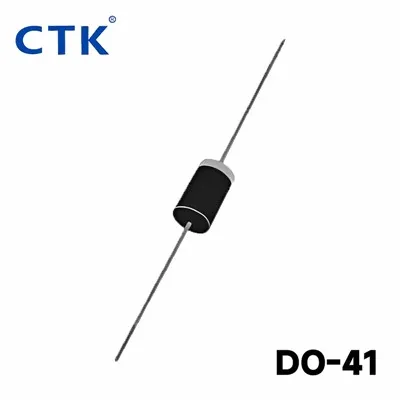
But let’s be real—no component is perfect for every job. Is the SMBJ the only TVS diode you should use in automotive? No. If you’re working on a tiny sensor module that’s super cramped, the SOD123FL TVS Diode might be a better fit, even if it handles a little less power. If you need higher power handling (like for a main power line), the SMCJ or even a through-hole diode could be better. But the SMBJ hits that middle ground where most automotive designs live.
I remember a project we worked on a while back with a team that was designing a new sedan’s infotainment system. They were using SMAJ diodes before, but they were running out of space on the PCB. They tried switching to SMBJ, and the difference was night and day—they cut down the board size by almost 20% without losing any protection. Plus, the SMBJ held up way better in temperature testing. They put the board in a chamber that went from -40°C to 125°C, and the SMBJ parts didn’t skip a beat—no leakage, no voltage clamping errors. That’s exactly what you want in a car, where the infotainment is on all the time, even when the car’s parked in the sun.
Another thing I’ve noticed with auto electronics is that manufacturers are leaning more toward surface-mount components now. They’re easier to assemble with automated lines, which saves time and money. The SMBJ is designed for that—its SMD package has good solderability, no weird leads that can break during assembly, and it’s compatible with standard pick-and-place machines. That’s a big plus compared to through-hole diodes, which are still used but not as common in new designs.
Wait, but what about durability? Cars are exposed to vibration, right? Driving on bumpy roads can shake components loose if they’re not mounted right. The SMBJ, being surface-mount, is sold right to the PCB, so it’s way more resistant to vibration than through-hole parts. A lot of AEC-Q100 vibration tests simulate driving over rough terrain, and the SMBJ passes those with no issues. I’ve had customers tell me they use SMBJ in the door control modules, which are bouncing around every time you hit a pothole, and they haven’t had to replace a single one in 2 years.
Of course, you can’t just grab any SMBJ diode. You have to make sure it’s rated for the right power. For automotive, the peak pulse power (PPR) is key—most SMBJ diodes have a PPR of 600W, which is enough for most small to medium automotive circuits. If you need higher (like for a main power feed from the battery), you might need to step up to a larger package, but for sensors, ECU inputs, infotainment, and lighting controls, 600W is more than enough.
Let’s get back to the original question: Can TVS SMBJ TVS Diode be used in automotive electronics? The short answer is yes—especially if you’re looking for a balance of size, performance, and automotive-grade reliability. But like any component, you need to pick the right variant for your specific application. Don’t just buy an SMBJ because it’s popular; check the voltage rating, power handling, and certification to make sure it meets your system’s needs.
As a supplier, I’ve spent years testing these diodes in real-world automotive conditions, not just in a lab. I’ve seen them work in everything from compact cars to heavy-duty trucks, and even in early EV prototypes. The feedback I get from engineers is consistent: the SMBJ is versatile, reliable, and fits well into modern automotive designs. If you’re working on a new project and trying to figure out which TVS diode to use, it’s worth giving the SMBJ a serious look—especially if you’re tight on board space.
At the end of the day, automotive electronics can’t afford to cut corners. A single voltage spike can take down a whole system, leading to costly repairs and even safety issues. The SMBJ TVS diode has proven itself in the field, passing all the tough tests automotive environments throw at it. But if you’re not sure if it’s right for your design, that’s what I’m here for—we can walk through your project, talk about your requirements, and find the perfect TVS solution for you.
If you’re ready to source SMBJ diodes or just have questions about which TVS diode fits your automotive application, reach out to us. We’ve got a full line of automotive-grade TVS diodes, from SMBJ to SMAJ TVS Diode and beyond, so we can help you find exactly what you need.
References:
- AEC-Q100 Reliability Standard for Integrated Circuits, Automotive Electronics Council, 2022.
- Transient Voltage Suppressor (TVS) Diodes: Application Guide, Vishay Intertechnology, 2021.
- Automotive Electrical System Requirements for Voltage Transients, SAE International, 2020.
- SMBJ Series TVS Diode Datasheet, General Semiconductor, 2023.
- Surface-Mount Component Vibration Resistance in Automotive Environments, IEEE Transactions on Electronics Packaging Manufacturing, 2019.