





Choosing the right soldering iron for DIODE SOD - 123FL Package Rectifier Diodes is crucial, especially when you're dealing with these components on a regular basis. As a supplier of DIODE SOD - 123FL Package Rectifier Diodes, I've seen firsthand how the wrong soldering iron can lead to all sorts of issues, from poor connections to damaged components. So, let's dive into what you need to consider when picking the perfect tool for the job.
Understanding the DIODE SOD - 123FL Package Rectifier Diodes
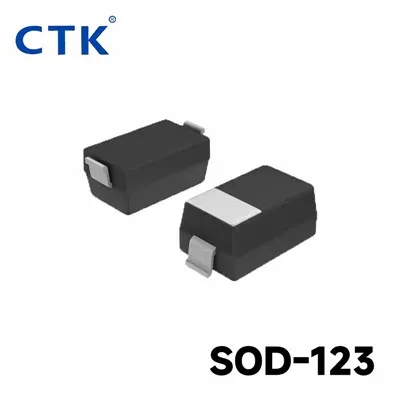
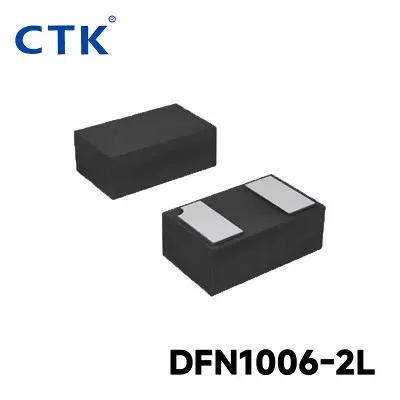
First off, it helps to know a bit about the DIODE SOD - 123FL Package Rectifier Diodes. These diodes are surface - mount components, which means they're designed to be soldered directly onto the surface of a printed circuit board (PCB). The SOD - 123FL package is relatively small, with specific dimensions and pin configurations. This small size makes them a popular choice for applications where space is limited, like in mobile devices and small electronics.
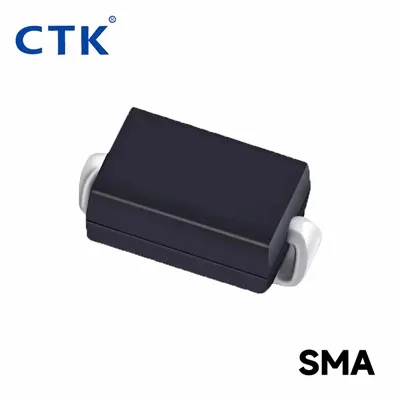
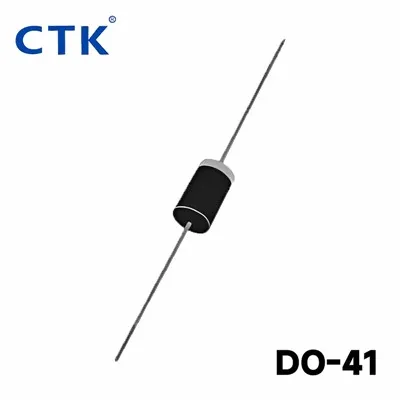
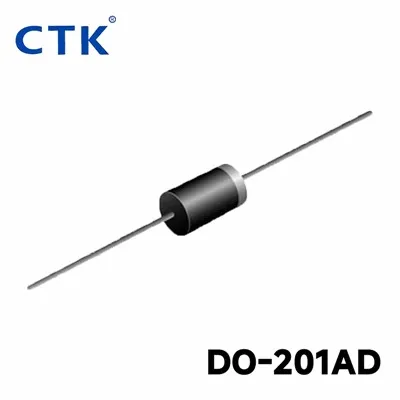
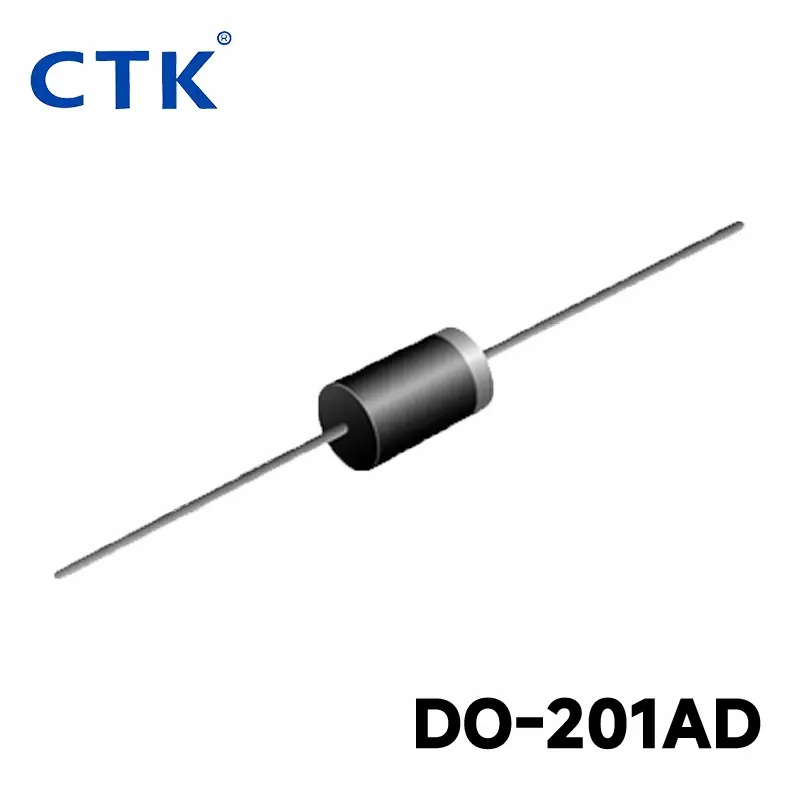
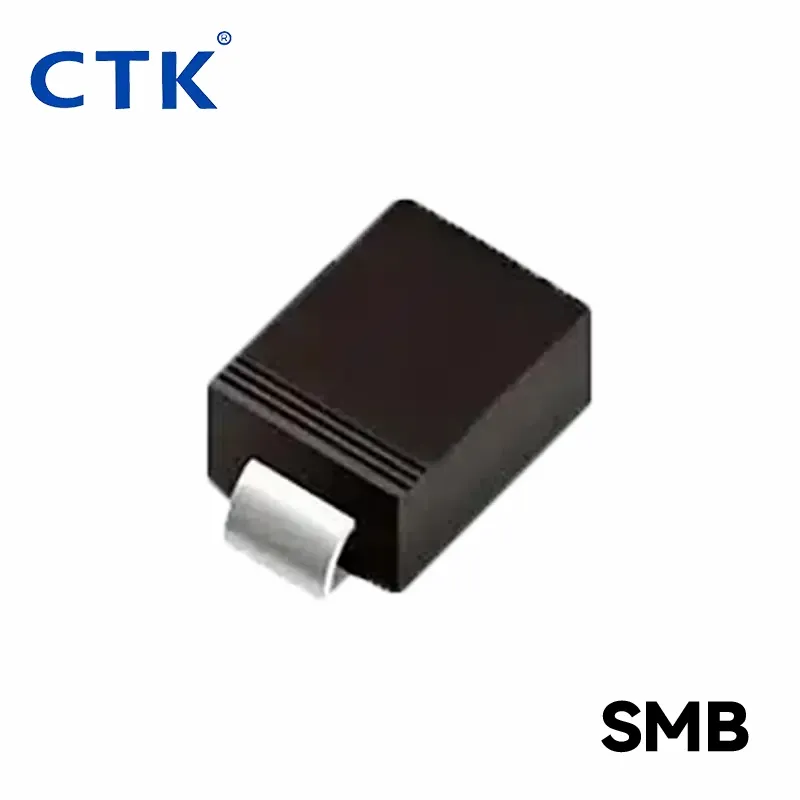
Compared to other types of rectifier diodes, such as the DO - 41 Rectifier Diode, the SOD - 123FL is much smaller and more delicate. The DO - 41 is a through - hole component, which requires a different soldering approach. Similarly, the SMC Rectifier Diodes Surface Mount General Purpose Silicon Rectifier, SMB Rectifier Diodes Surface Mount General Purpose Silicon Rectifier, R - 6 Rectifier Diodes for High - Current Applications, and DO - 201AD Rectifier Diodes General Purpose Rectifier also have their own unique characteristics and soldering requirements.
Factors to Consider When Choosing a Soldering Iron
Temperature Control
One of the most important factors when soldering DIODE SOD - 123FL Package Rectifier Diodes is temperature control. These diodes are sensitive to heat, and if the soldering iron gets too hot, it can damage the silicon inside the diode. You want a soldering iron that allows you to set and maintain a specific temperature.
A good starting temperature for soldering SOD - 123FL diodes is between 300°C and 350°C. This is hot enough to melt the solder quickly but not so hot that it cooks the diode. Look for a soldering iron with a digital display so you can easily see the temperature you've set. Also, some soldering irons have temperature feedback mechanisms that help keep the temperature stable, even if you're soldering for an extended period.
Tip Size and Shape
The tip of the soldering iron is where all the action happens, so it's important to choose the right one. For SOD - 123FL diodes, you'll need a small and precise tip. A conical or chisel - shaped tip with a diameter of around 1mm to 2mm is ideal.
A small tip allows you to get in close to the tiny pins of the SOD - 123FL package without accidentally touching other components on the PCB. It also helps ensure that you're applying heat only where it's needed, reducing the risk of overheating adjacent parts. Some soldering irons come with interchangeable tips, which is a great feature if you work with different types of components.
Power Rating
The power rating of a soldering iron is measured in watts. Generally, a soldering iron with a power rating between 20W and 40W is suitable for soldering DIODE SOD - 123FL Package Rectifier Diodes.
A lower - wattage soldering iron may take longer to reach the desired temperature and may not be able to maintain that temperature during soldering. On the other hand, a very high - wattage soldering iron can heat up too quickly and may be difficult to control, increasing the risk of damaging the diodes. Finding the right balance is key.
Ergonomics
Let's face it, if a soldering iron is uncomfortable to hold, you're not going to do your best work. When soldering small components like SOD - 123FL diodes, you need to have good control and be able to work for extended periods without getting fatigued.
Look for a soldering iron with a comfortable grip. Some soldering irons have rubberized handles that provide a better hold and help reduce hand strain. The weight of the soldering iron also matters. A lightweight iron is generally easier to handle, especially if you're doing a lot of soldering.
Brands and Models to Consider
There are several brands and models of soldering irons on the market that are well - suited for soldering DIODE SOD - 123FL Package Rectifier Diodes.
Weller is a well - known brand in the soldering world. Their We1010NA soldering station is a popular choice. It offers excellent temperature control, with a temperature range of 100°C to 480°C. The interchangeable tips make it versatile, and the ergonomic design ensures comfortable use.
Another great option is the Hakko FX - 888D. This soldering station has a digital display for easy temperature setting, and it heats up quickly. The tip design provides good heat transfer, which is essential for soldering small components like SOD - 123FL diodes.
Soldering Techniques for DIODE SOD - 123FL Package Rectifier Diodes
Once you've chosen the right soldering iron, it's important to use the correct soldering techniques.
First, make sure the PCB and the diode are clean. Any dirt or oxidation can prevent the solder from flowing properly. You can use a PCB cleaner or isopropyl alcohol to clean the surfaces.
Next, apply a small amount of flux to the pins of the diode and the corresponding pads on the PCB. Flux helps the solder flow and improves the quality of the solder joint.
When soldering, touch the tip of the soldering iron to the pad and the pin of the diode at the same time. Hold it there for a couple of seconds to heat the surfaces. Then, feed the solder wire into the joint. The solder should melt and flow around the pin and the pad.
Don't apply too much solder. A small, neat solder joint is all you need. After soldering, let the joint cool down naturally. Don't blow on it or move the component, as this can cause the solder joint to crack.
Conclusion
Choosing the right soldering iron for DIODE SOD - 123FL Package Rectifier Diodes is essential for getting good results. By considering factors like temperature control, tip size and shape, power rating, and ergonomics, you can find a soldering iron that meets your needs. And with the right soldering techniques, you'll be able to create high - quality solder joints every time.
If you're in the market for DIODE SOD - 123FL Package Rectifier Diodes or have any questions about soldering them, don't hesitate to reach out. We're here to help you make the best decisions for your projects.
References
- Soldering Handbook: A Comprehensive Guide to Soldering Techniques and Equipment
- Electronics Component Soldering Manual
- Articles on Surface - Mount Technology and Soldering Best Practices