





Hey there! As a supplier of DIODE SMC Rectifier Diodes Surface Mount General Purpose Silicon Rectifier, I get asked a lot about how to ensure the reliability of these diodes in long-term operation. So, I thought I'd share some insights based on my experience in the industry.
Understanding the Basics
First off, let's talk a bit about what these SMC Rectifier Diodes Surface Mount General Purpose Silicon Rectifier are. These are semiconductor devices that allow current to flow in one direction only. They're used in a wide range of applications, from power supplies to electronic circuits. Their surface-mount design makes them easy to integrate into printed circuit boards (PCBs), and their silicon material gives them good electrical properties and thermal stability.
Temperature Management
One of the most critical factors that affect the long-term reliability of SMC rectifier diodes is temperature. Diodes generate heat when they conduct current, and if this heat isn't properly managed, it can lead to premature failure.
- Heat Sinking: Using a heat sink is a common and effective way to dissipate heat. A heat sink is a device that attaches to the diode and transfers the heat from the diode to the surrounding air. It usually has a large surface area to increase the rate of heat transfer. Make sure the heat sink is properly sized for the diode and that there's good thermal contact between them.
- Ventilation: Good ventilation in the enclosure where the diodes are installed is also important. Adequate airflow helps carry away the heat. You might need to design the enclosure with vents or use fans to ensure proper air circulation.
- Operating Environment: Try to keep the diodes in an environment with a stable temperature. Extreme temperatures, whether too hot or too cold, can stress the diodes. For example, in a very hot environment, the diode's internal resistance may increase, leading to more heat generation and a higher chance of failure.
Electrical Stress
Another key aspect is managing electrical stress. Diodes have specific ratings for voltage, current, and power. Exceeding these ratings can cause permanent damage.
- Voltage Surge Protection: Use surge protectors or voltage clamping devices to protect the diodes from voltage spikes. These spikes can occur due to lightning, power grid fluctuations, or other electrical disturbances. A transient voltage suppressor (TVS) diode, for instance, can be connected in parallel with the SMC rectifier diode to divert the excess voltage away.
- Current Limiting: Implement current-limiting resistors or circuits to prevent excessive current from flowing through the diodes. This is especially important during startup or in circuits where the load can change suddenly. For example, in a circuit with a motor, the motor may draw a high inrush current when it starts. A current-limiting circuit can ensure that the diode doesn't experience this high current.
- Proper Circuit Design: Make sure the overall circuit design is compatible with the diode's ratings. This includes considering factors like the load impedance, the frequency of the input signal, and the type of power supply. A well-designed circuit will distribute the electrical stress evenly and prevent the diode from being overloaded.
Quality of the Diodes
The quality of the SMC rectifier diodes themselves also plays a huge role in their long-term reliability.
- Manufacturer Reputation: Choose diodes from a reputable manufacturer. A good manufacturer will have strict quality control processes in place to ensure that each diode meets the specified standards. They'll also use high-quality materials and advanced manufacturing techniques.
- Testing and Inspection: Before using the diodes in your application, it's a good idea to perform some basic tests and inspections. This can include checking for visual defects, measuring the forward voltage drop, and testing the reverse leakage current. If you find any diodes that don't meet the expected specifications, don't use them.
Comparison with Other Rectifier Diodes
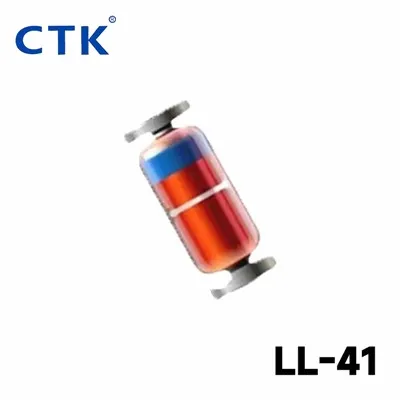
It's also interesting to compare SMC rectifier diodes with other types of rectifier diodes, like the DO - 41 Rectifier Diode, SOD - 123FL Package Rectifier Diodes, SMAF Rectifier Diodes Surface Mount General Purpose Silicon Rectifier, and DO - 15 Package Rectifier Diodes.
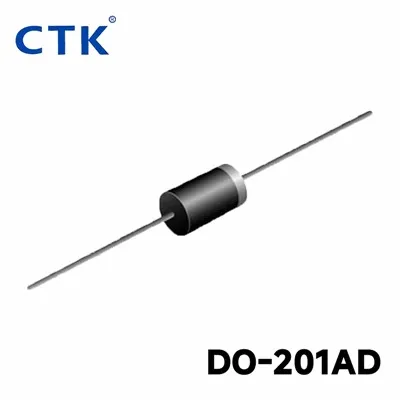
- Size and Mounting: SMC rectifier diodes are surface-mount, which means they take up less space on the PCB compared to through-hole diodes like the DO - 41 and DO - 15. This can be a big advantage in applications where space is limited.
- Electrical Performance: Each type of diode has its own electrical characteristics. For example, the forward voltage drop and the reverse leakage current may vary between different packages and types. You need to choose the diode that best suits your specific application requirements.
Monitoring and Maintenance
Regular monitoring and maintenance can go a long way in ensuring the long-term reliability of SMC rectifier diodes.
- Monitoring: Set up a monitoring system to keep track of the diode's operating parameters, such as temperature, voltage, and current. This can help you detect any early signs of problems, like an increase in temperature or a change in the forward voltage drop. You can use sensors and data loggers to collect this information.
- Maintenance: Perform periodic maintenance on the diodes and the surrounding circuitry. This can include cleaning the PCBs to remove any dust or debris, checking for loose connections, and replacing any components that show signs of wear or damage.
Contact for Purchase
If you're looking for high-quality DIODE SMC Rectifier Diodes Surface Mount General Purpose Silicon Rectifier and want to ensure their long-term reliability in your applications, I'm here to help. Feel free to reach out to discuss your specific requirements and start a procurement negotiation. I can provide you with the best solutions and support to meet your needs.


References
- "Semiconductor Devices: Physics and Technology" by S. M. Sze
- "Electronic Circuit Analysis" textbooks from various publishers
- Technical datasheets from diode manufacturers