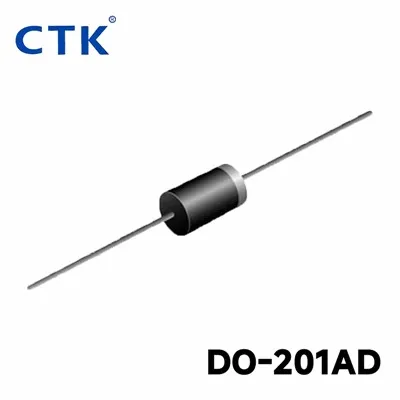


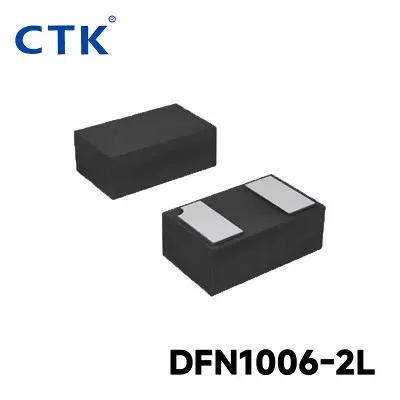




Hey there! As a supplier of DIODE SMC Rectifier Diodes Surface Mount General Purpose Silicon Rectifier, I often get asked about how to check the quality of these diodes. So, I thought I'd share some tips and tricks that I've picked up over the years.
First off, let's talk about what these diodes are and what they're used for. The SMC Rectifier Diodes are surface - mount devices made of general - purpose silicon. They're commonly used in power supply circuits, voltage regulation, and signal rectification. Their small size and high - efficiency characteristics make them a popular choice in modern electronics. You can check out more about them here: SMC Rectifier Diodes Surface Mount General Purpose Silicon Rectifier.
Physical Inspection
The first step in checking the quality of these diodes is a physical inspection. When you get a batch of SMC rectifier diodes, take a good look at them. Check for any visible damage such as cracks on the package, bent leads, or signs of overheating. A damaged diode is likely to malfunction or have a shorter lifespan. Make sure the markings on the diode are clear and legible. These markings usually indicate important information like the part number, voltage rating, and current capacity. If the markings are smudged or missing, it could be a red flag.
Electrical Testing
Measuring Forward Voltage Drop
One of the key electrical parameters of a diode is its forward voltage drop. To measure this, you'll need a digital multimeter set to the diode test mode. Connect the positive lead of the multimeter to the anode of the diode and the negative lead to the cathode. In a properly - functioning SMC silicon rectifier diode, the forward voltage drop should be around 0.6 - 0.7 volts when a small forward current is applied. If the measured voltage drop is significantly higher or lower than this range, there might be an issue with the diode.
Reverse Bias Testing
Reverse bias testing is also crucial. Switch your multimeter to the DC voltage mode. Apply a reverse voltage to the diode that is below its maximum rated reverse voltage. There should be almost zero current flowing in the reverse direction. If you notice a significant reverse current, it means the diode has a high reverse leakage current, which can cause problems in the circuit like excessive power consumption or even circuit failure.
Comparison with Datasheet
Every SMC rectifier diode comes with a datasheet that provides detailed information about its electrical and thermal characteristics. Compare the results of your physical inspection and electrical tests with the specifications in the datasheet. For example, if the datasheet states that the maximum forward current of a particular diode is 3A, and your tests show that it can only handle 1A without overheating, then the diode may not meet the quality standards.
Temperature Testing
Temperature can have a big impact on the performance of diodes. To test how well a diode performs under different temperatures, you can use a temperature chamber. Place the diode in the chamber and expose it to a range of temperatures, from low to high. Measure its forward voltage drop and reverse leakage current at different temperature points. A high - quality diode should maintain relatively stable performance across the temperature range specified in the datasheet.
Environmental Testing
Environmental factors like humidity and vibration can also affect the quality of diodes. To test for humidity resistance, you can put the diodes in a high - humidity chamber for a certain period. Then, perform the electrical tests again to see if the performance has changed. For vibration testing, you can use a vibration table to subject the diodes to different levels of vibration. This helps to ensure that the diodes can withstand the harsh conditions in real - world applications.
Comparison with Other Similar Diodes
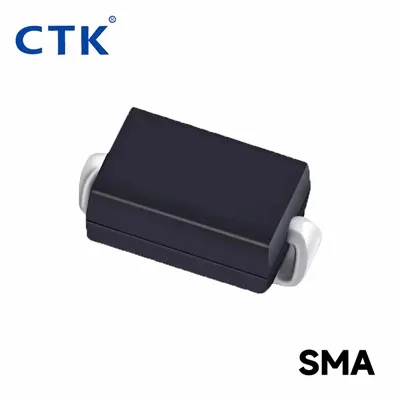
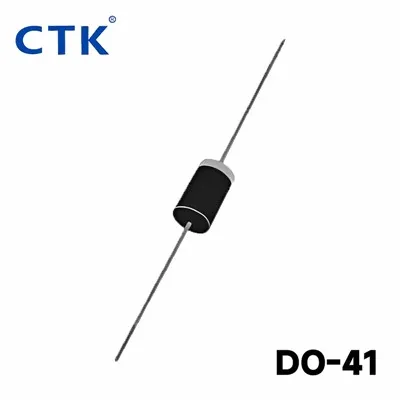
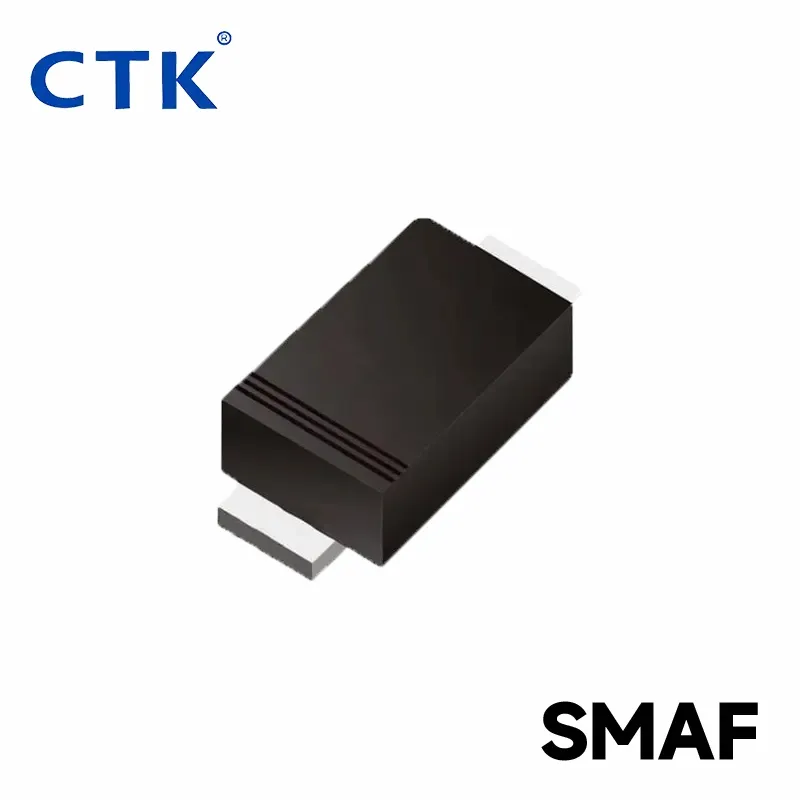
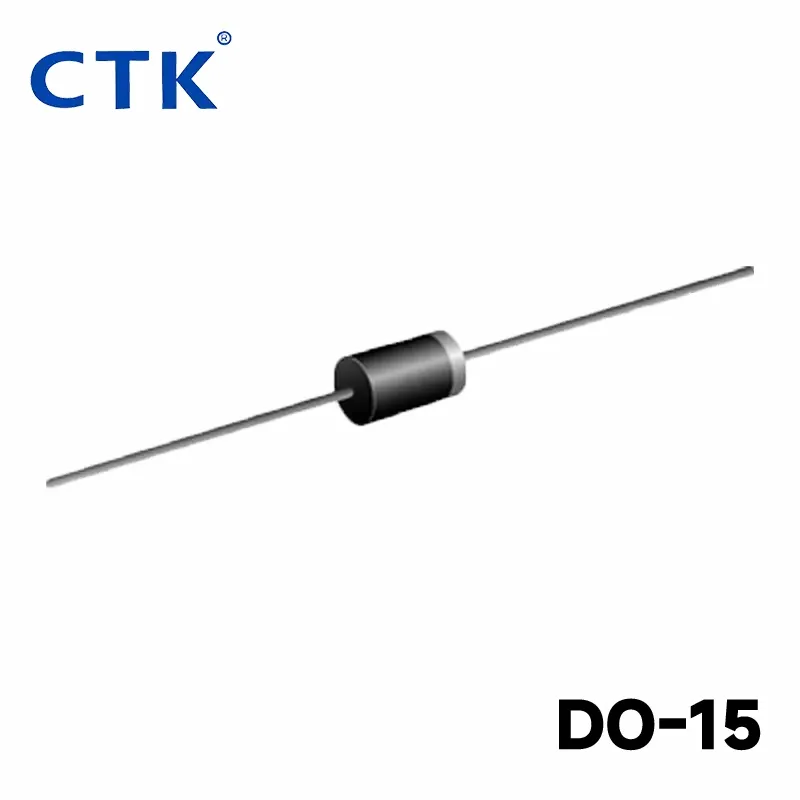
It can also be helpful to compare the SMC rectifier diodes with other similar products on the market. For example, you can compare them with SMA Rectifier Diodes Surface Mount General Purpose Silicon Rectifier, SMAF Rectifier Diodes Surface Mount General Purpose Silicon Rectifier, or DO - 15 Package Rectifier Diodes. Compare their electrical characteristics, physical size, and price. If the SMC rectifier diodes you're testing perform significantly worse than the competitors under similar conditions, it's a sign that you may have a quality issue.
If you're working on a circuit that requires high - precision rectification, you might also want to compare them with more specialized diodes like the S1M Rectifier Diode.
Sampling and Batch Testing
When you receive a large batch of SMC rectifier diodes, it's not practical to test every single one. Instead, use a sampling method. Randomly select a representative sample from the batch and perform all the above - mentioned tests on the sample. If the sample passes all the tests, it's likely that the whole batch is of good quality. However, if there are issues with the sample, you may need to test more diodes or even the entire batch.
In conclusion, checking the quality of DIODE SMC Rectifier Diodes Surface Mount General Purpose Silicon Rectifier involves a combination of physical inspection, electrical testing, comparison with datasheets, temperature and environmental testing, and sampling. By following these steps, you can ensure that you're getting high - quality diodes for your electronic applications.
If you're interested in purchasing high - quality SMC rectifier diodes or have any questions about the quality - checking process, feel free to get in touch with me. We'll be more than happy to assist you in finding the right diodes for your needs.
References
- Semiconductor Device Data Manual
- Electronic Components Testing Handbook