





Yo, what's up folks! As a TV supplier, I get asked a ton of questions about different TV specs. One of the most common ones is, "What's the difference between a 60Hz and 120Hz TV?" Well, let me break it down for you in plain and simple terms.
Refresh Rate Basics
First things first, let's talk about what refresh rate actually means. The refresh rate of a TV is the number of times per second that the screen updates the image. It's measured in Hertz (Hz). So, a 60Hz TV updates the image 60 times per second, and a 120Hz TV updates it 120 times per second.
You might be thinking, "Okay, so the 120Hz TV updates faster. But why does that matter?" Well, it can make a big difference in how smooth and clear the picture looks, especially when you're watching fast - moving content like sports or action movies.
Picture Quality for Fast - Moving Content
When you're watching a high - paced basketball game or an intense car chase in a movie, there's a lot of motion on the screen. On a 60Hz TV, you might notice some blurring or motion lag. That's because the screen can't update the image quickly enough to keep up with the fast movements.
For example, when a basketball player takes a fast dunk, the ball and the player's body might appear a bit smeared. It's like taking a picture of a moving object with a slow shutter speed on a camera. The result is a less - than - crisp image.
On the other hand, a 120Hz TV can handle fast - moving content much better. Since it updates the image twice as often as a 60Hz TV, there's less chance of blurring. The movements look smoother and more natural. The basketball dunk will look more like you're actually at the game, with clear, sharp images of the ball and the player.
Input Lag
Another important factor to consider is input lag. Input lag is the time it takes for the TV to process the signal it receives from your device (like a gaming console or a streaming device) and display it on the screen.
In general, 120Hz TVs tend to have lower input lag compared to 60Hz TVs. This is a huge advantage for gamers. If you're into competitive gaming, even a small amount of input lag can make a big difference. A lower input lag means that your actions on the controller are more quickly translated into actions on the screen. You'll have a more responsive gaming experience, which can give you an edge over your opponents.
Pricing and Value
Now, I know you're also thinking about the cost. Typically, 120Hz TVs are more expensive than 60Hz TVs. That's because they have more advanced technology to achieve the higher refresh rate. But is it worth the extra money?

Well, it depends on your needs. If you're a casual viewer who mostly watches sitcoms, dramas, or news, a 60Hz TV might be perfectly fine for you. You probably won't notice much of a difference in picture quality for this type of content.
However, if you're a sports fan, an action - movie buff, or a serious gamer, the investment in a 120Hz TV is likely worth it. You'll get a much better viewing and gaming experience, which can make your entertainment time much more enjoyable.
TVS Diodes in TVs
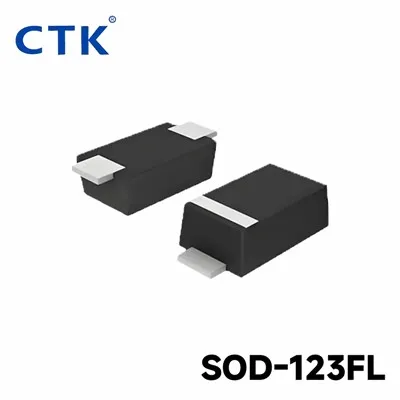
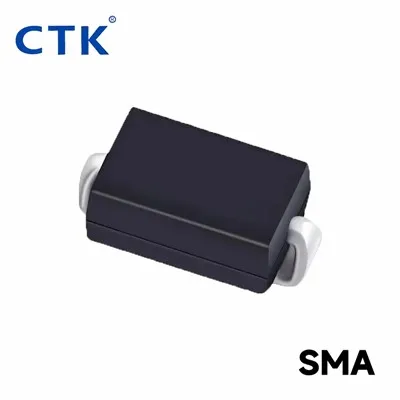
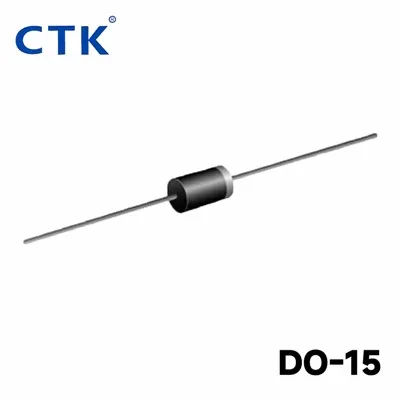
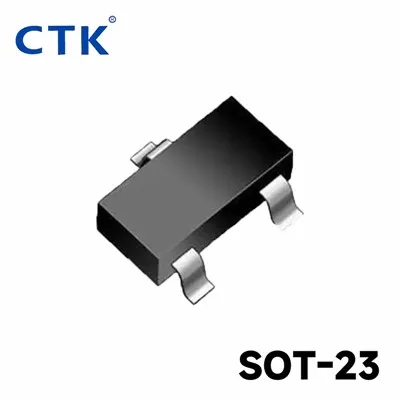
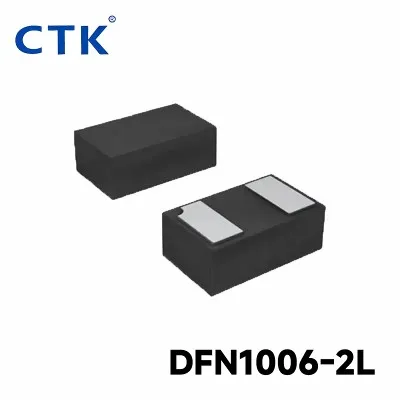
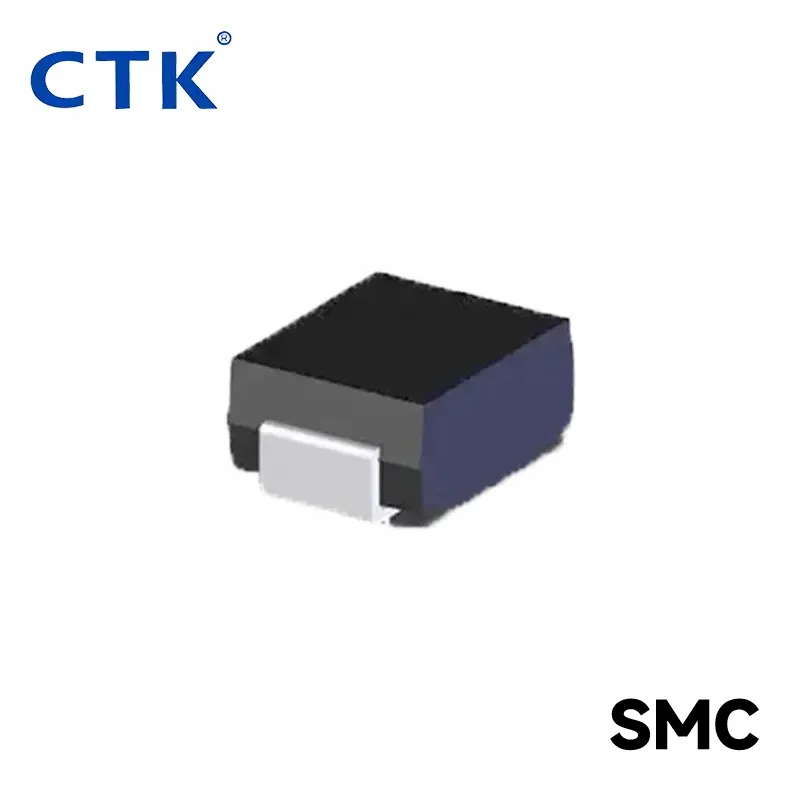
Before we wrap up, I want to quickly mention TVS diodes. These are important components in TVs. They help protect the TV's circuits from voltage spikes and other electrical issues. We offer a variety of TVS diodes, such as SOD123FL TVS Diode, SMBJ TVS Diode, SMCJ TVS Diode, and SMAJ TVS Diode. These diodes play a crucial role in ensuring the longevity and reliability of your TV.
Making the Decision
So, to sum it all up, the main difference between a 60Hz and 120Hz TV comes down to how well they handle fast - moving content and input lag. A 60Hz TV is a more budget - friendly option that's great for casual viewing, while a 120Hz TV offers a superior experience for sports, action movies, and gaming.
If you're still not sure which one is right for you, or if you're interested in learning more about our TV products or the associated TVS diodes, feel free to reach out. We're here to help you make the best decision for your entertainment setup. Whether you're a small business looking to stock up on TVs or a homeowner upgrading your living room, we've got you covered. Let's have a chat about your needs, and we can work together to find the perfect solution for you.
References
- Some industry - recognized publications on TV technology
- Personal experience and knowledge gained from years as a TV supplier