





The Standard Industrial Classification (SIC) system is a crucial tool used in business and economic analysis to categorize industries. It helps in organizing and understanding the structure of different sectors, which is essential for various purposes such as market research, government statistics, and business planning. In this blog, we'll delve into the SIC codes relevant to the finance industry and also touch on how our company, as an SIC (Silicon Carbide) supplier, fits into the broader economic and industrial context.
Understanding SIC Codes
The SIC system was developed in the United States in the 1930s to standardize the classification of industries. It assigns a four - digit code to each industry, with the first two digits representing a major economic sector, the third digit a sub - sector, and the fourth digit a specific industry within the sub - sector.
SIC Codes in the Finance Industry
The finance industry encompasses a wide range of activities, including banking, investment, insurance, and real estate finance. Here are some of the key SIC codes relevant to finance:
Banking
- 6021 - National Commercial Banks: This code is used for national commercial banks, which offer a full range of banking services, such as checking and savings accounts, loans, and credit cards. These banks play a central role in the economy by facilitating financial transactions and providing capital to businesses and individuals.
- 6035 - Savings Institutions, Federally Chartered: Savings institutions, often focused on mortgage lending and savings accounts, are classified under this code. They are an important source of home financing and encourage personal savings.
Investment
- 6211 - Security Brokers, Dealers, and Flotation Companies: Firms that engage in buying and selling securities, such as stocks and bonds, fall into this category. They act as intermediaries between buyers and sellers in the financial markets, providing liquidity and facilitating investment.
- 6799 - Investment Offices, Not Elsewhere Classified: This code covers a variety of investment - related activities that do not fit neatly into other categories. It may include private investment offices that manage the wealth of high - net - worth individuals or family offices.
Insurance
- 6311 - Life Insurance: Companies that offer life insurance policies, which provide financial protection to beneficiaries in the event of the policyholder's death, are classified under this code. Life insurance is an important part of financial planning for many individuals and families.
- 6411 - Insurance Agents, Brokers, and Service: This code is for businesses that act as intermediaries between insurance companies and customers. They help clients find the right insurance policies and provide services such as policy administration.
Our Role as an SIC Supplier
As a supplier of Silicon Carbide (SiC) products, we operate in the technology and manufacturing sectors, which are closely intertwined with the finance industry. SiC is a wide - bandgap semiconductor material with excellent properties such as high thermal conductivity, high breakdown voltage, and low switching losses. These properties make SiC ideal for a variety of high - power and high - frequency applications.
Applications in Finance - Related Industries
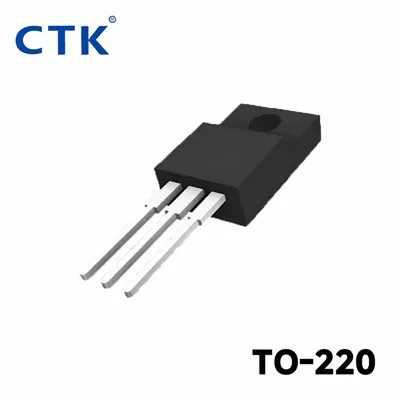
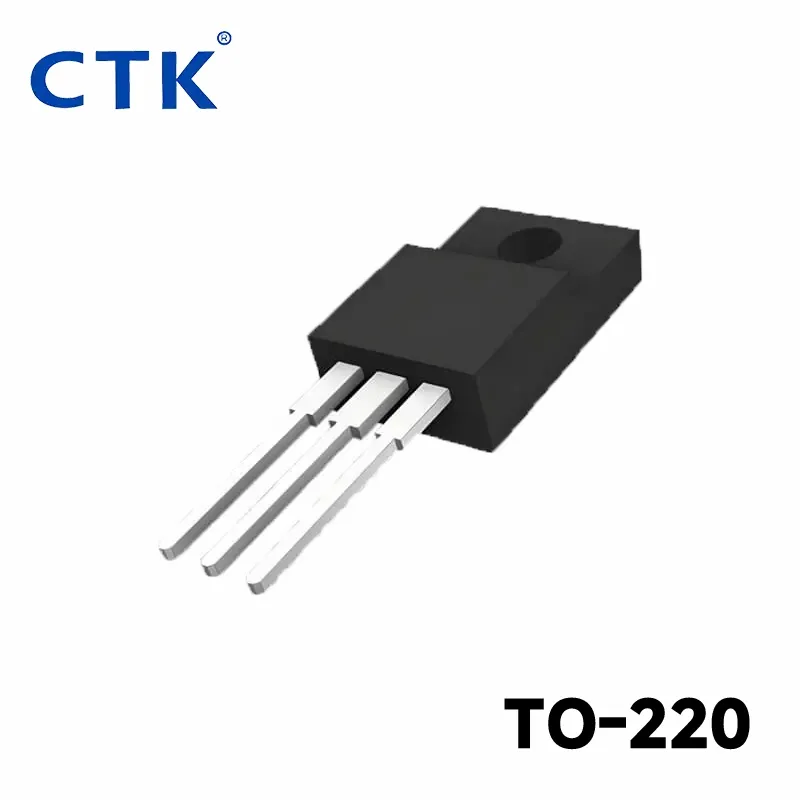
- Power Electronics in Banking Infrastructure: In the banking industry, power electronics are used to ensure the reliable operation of data centers, ATMs, and other critical infrastructure. Our TO - 220 SiC Diodes - Silicon Carbide Power Diodes for High Efficiency can be used in power supplies to improve energy efficiency and reduce heat generation, which is crucial for the long - term reliability of these systems.
- Investment in Renewable Energy: The finance industry is increasingly involved in investing in renewable energy projects. SiC technology plays a significant role in renewable energy systems such as solar inverters and wind turbine converters. Our SiC MOSFET products can enhance the performance of these systems, making them more attractive to investors.
Market Trends and the Impact on Finance and SIC Supply
The finance industry is constantly evolving, driven by factors such as technological advancements, regulatory changes, and economic conditions. These trends also have a significant impact on the SiC market.
Technological Advancements
The increasing demand for high - power and high - efficiency devices is driving the adoption of SiC technology. As the finance industry continues to digitize and rely more on advanced technology, the need for reliable power electronics will only grow. This presents an opportunity for our company as an SIC supplier to expand our market share.
Regulatory Changes
Regulations related to energy efficiency and environmental protection are also influencing the SiC market. For example, government incentives for renewable energy projects are increasing the demand for SiC - based power electronics. The finance industry, which often provides funding for these projects, needs to be aware of these trends to make informed investment decisions.
The Intersection of Finance and SIC Supply
The relationship between the finance industry and our SIC supply business is symbiotic. On one hand, the finance industry provides the capital and investment needed for our company to grow and develop new products. On the other hand, our SiC products can contribute to the efficiency and reliability of the finance industry's infrastructure.
Financing for R & D
As an SIC supplier, we rely on financing from the finance industry to fund research and development (R & D) activities. Investment from banks, venture capitalists, and other financial institutions allows us to develop new and improved SiC products that meet the evolving needs of the market.
Risk Mitigation
The finance industry can also help us manage risks. For example, insurance policies can protect our company from potential losses due to natural disasters, product liability, or other unforeseen events. Additionally, financial derivatives can be used to hedge against fluctuations in raw material prices, which is crucial for our production costs.
Conclusion: Connecting Finance and SIC Supply
In conclusion, the SIC codes in the finance industry provide a framework for understanding the various sectors within finance. Our company, as an SIC (Silicon Carbide) supplier, has a unique position at the intersection of technology and finance. Our SiC products have applications in finance - related industries, and we rely on the finance industry for funding and risk management.

If you are interested in learning more about our SiC products or exploring potential business opportunities, we encourage you to reach out to us for procurement and further discussions. We are committed to providing high - quality SiC products and excellent customer service.
References
- U.S. Office of Management and Budget. Standard Industrial Classification Manual.
- Various industry reports on finance and semiconductor technology.