





Hey there, folks! Today, I wanna chat about something super important in the industrial automation industry - ESD. I'm an ESD supplier, so I've got plenty of hands - on experience with this stuff.


ESD, or Electro - Static Discharge, is basically the sudden flow of electricity between two electrically charged objects caused by contact, an electrical short, or dielectric breakdown. In the world of industrial automation, it's like a sneaky little villain that can cause some serious damage.
You see, industrial automation systems are full of sensitive electronic components. These components are the brains and nervous system of the machines, controlling everything from the smallest actuator to the most complex robotic arm. And ESD can mess them up big time.
Let's take a look at how ESD can occur in an industrial automation environment. First off, friction is a major culprit. When two materials rub against each other, electrons can be transferred, creating a static charge. This could happen when conveyor belts are moving products, or even when workers are handling equipment. Another way ESD can occur is through induction. Just being near a strong electrostatic field can induce a charge in an object. And in an industrial setting, there are all sorts of electrical equipment that can generate these fields.
The consequences of ESD in industrial automation can be pretty severe. For one, it can cause immediate damage to electronic components. A single ESD event can fry a microchip or damage a circuit board, rendering a piece of equipment useless. This means costly repairs and downtime for the production line. And let's not forget about the long - term problems. Sometimes, ESD can cause latent damage, where a component appears to be working fine at first but fails prematurely later on. This can be really hard to diagnose, and it can lead to unexpected breakdowns and production losses.
So, how can we protect against ESD in industrial automation? That's where I come in as an ESD supplier. We've got a whole range of products designed to safeguard your electronic components.
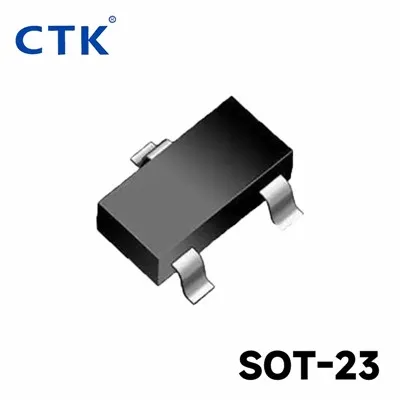
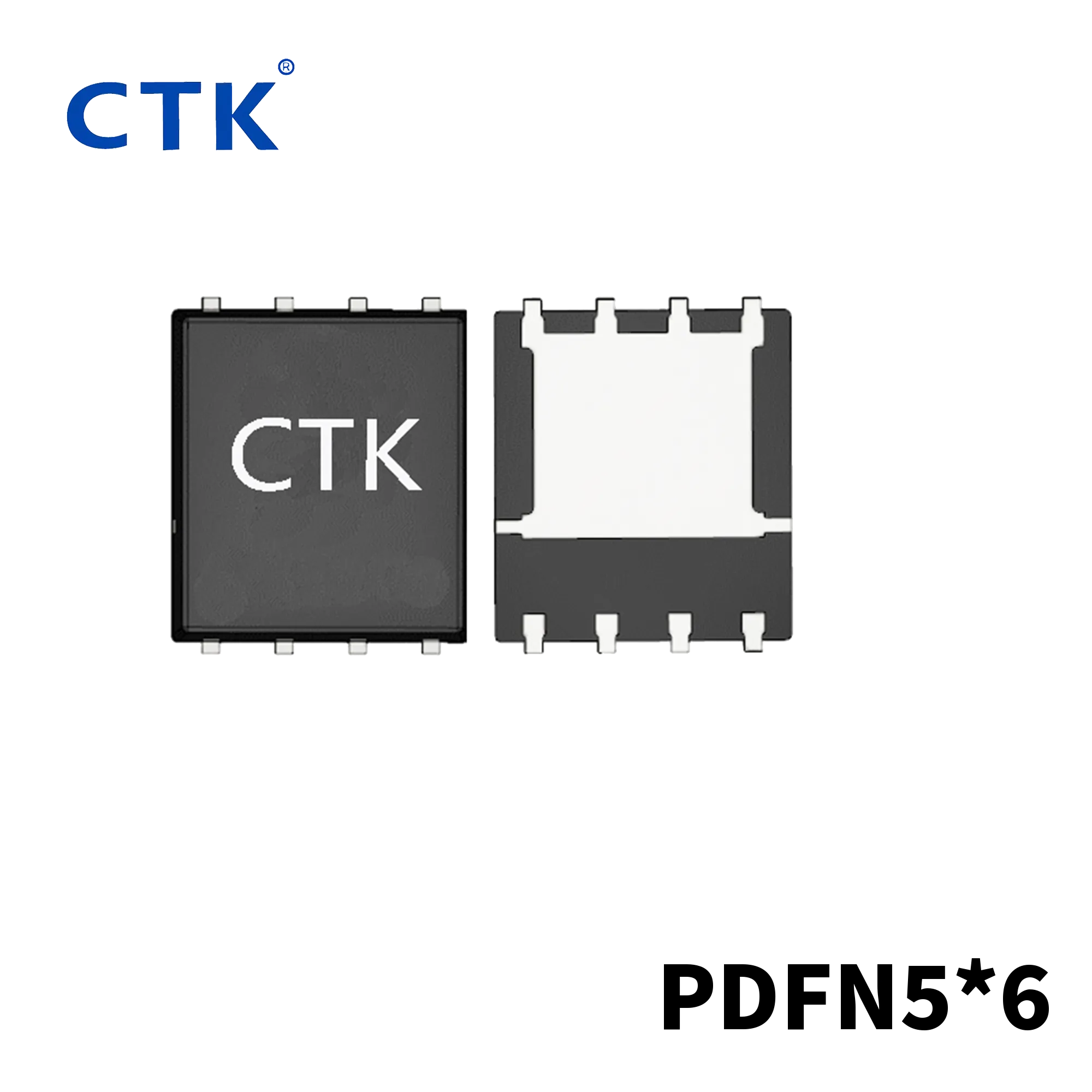
One of our popular products is the SOT - 23 ESD Protection Diode. This little guy is a real hero. It's designed to divert ESD currents away from sensitive components, protecting them from damage. It's small, reliable, and can handle a wide range of ESD events. Whether you're dealing with a small control panel or a large automation system, the SOT - 23 ESD Protection Diode is up to the task.
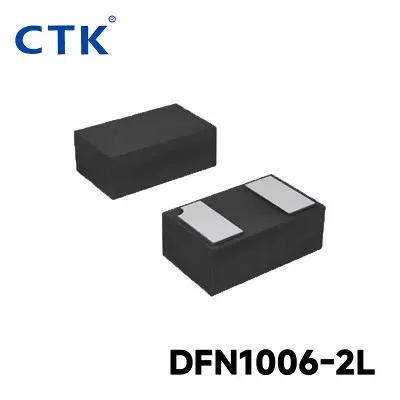
Another great option is the DFN1006 - 2L ESD Protection Devices – Ultra - Compact TVS Solutions for SMD Design. These devices are ultra - compact, which makes them perfect for surface - mount design (SMD). In industrial automation, space is often at a premium, so having a small but effective ESD protection solution is a big plus. They offer excellent performance in protecting against fast - rising ESD pulses, and they're easy to integrate into your existing circuits.
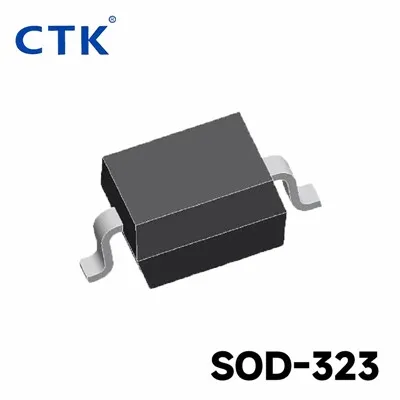
We also offer the SOD - 323 ESD Protection Diode. It's a tried - and - true diode that has been used in many industrial applications. It provides reliable ESD protection and is known for its stability and long - term performance. And if you need an even smaller option, our SOD - 523 ESD Protection Diode is the way to go. It's incredibly tiny but still packs a punch when it comes to ESD protection.
When it comes to implementing ESD protection in your industrial automation system, there are a few key steps. First, you need to do a risk assessment. Identify the areas in your system that are most vulnerable to ESD. This could be areas where workers are handling sensitive components, or areas where there's a lot of movement and friction.
Next, choose the right ESD protection products for your needs. Consider factors like the type of components you're protecting, the level of ESD protection required, and the space available in your system. Our team of experts can help you with this decision - making process.
Finally, make sure you have a proper ESD control program in place. This includes things like grounding equipment, using anti - static mats and clothing, and training your employees on ESD awareness. Remember, ESD protection is not just about having the right products; it's also about having the right processes and practices in place.
If you're in the industrial automation industry and you're looking for reliable ESD protection solutions, don't hesitate to reach out. As an ESD supplier, we're committed to helping you keep your systems running smoothly and protecting your valuable electronic components. Whether you have a small - scale project or a large - scale industrial automation system, we've got the products and expertise to meet your needs. So, if you're interested in learning more or discussing your specific requirements, just get in touch with us. We're here to make your ESD protection journey as easy and effective as possible.
References:
- ESD Association Standards
- Industrial Automation Technology Journals