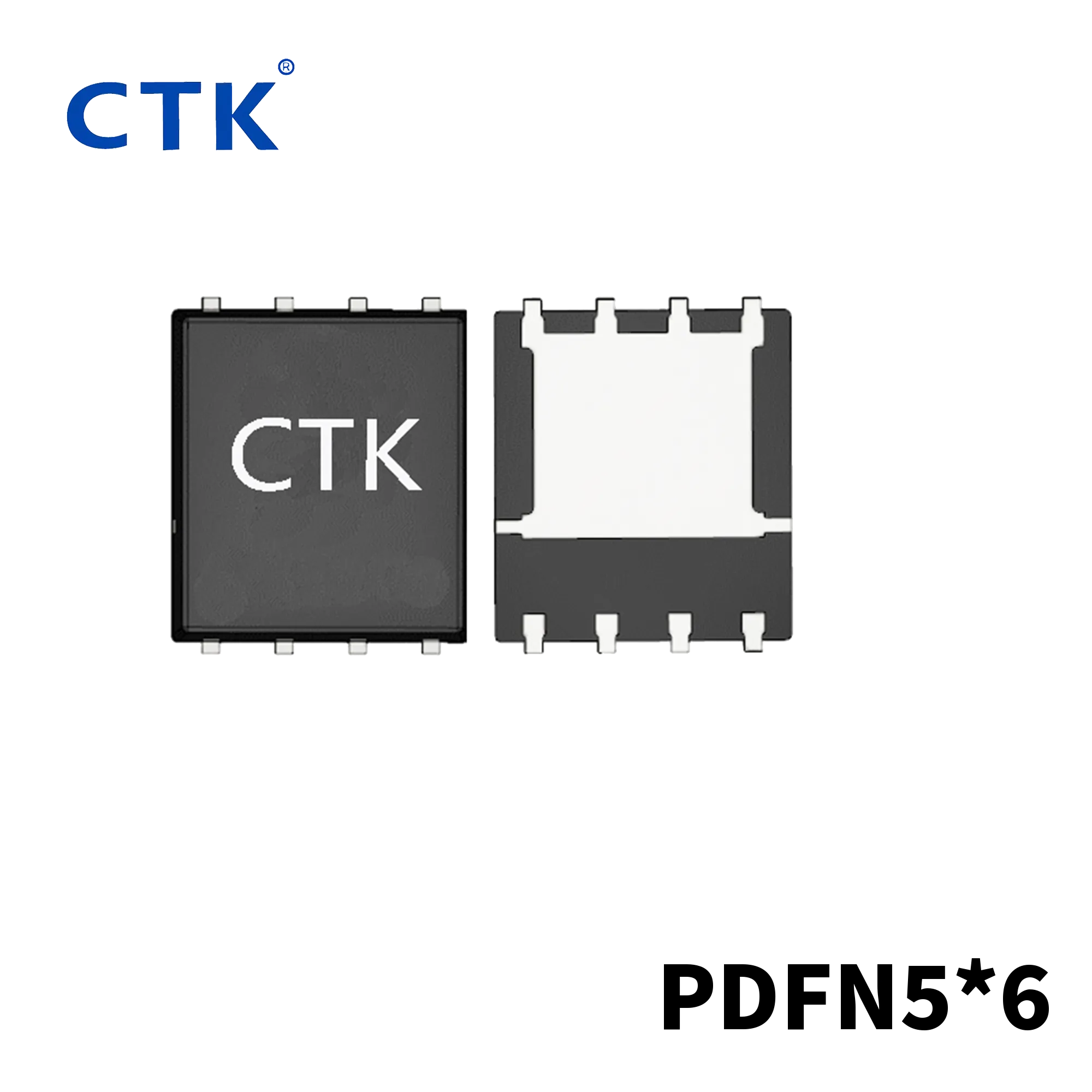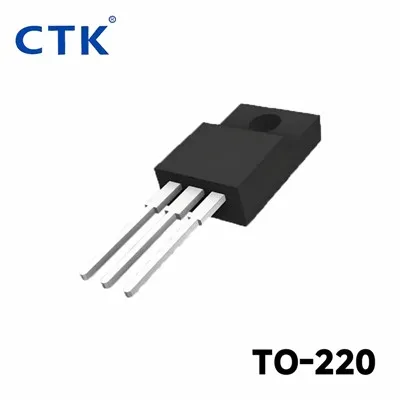


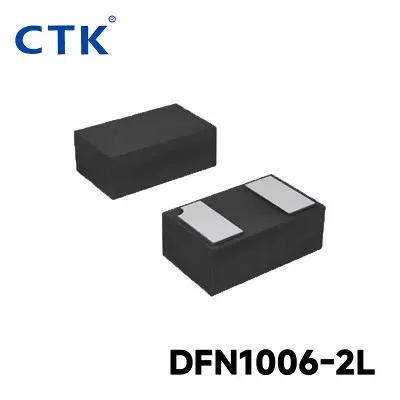




Hey there! As a supplier of DIODE SMC Schottky Diodes for Surface - Mount Applications, I've seen firsthand how the thermal performance of these diodes can make or break a surface - mount project. So, let's dive right in and explore how the thermal performance of DIODE SMC Schottky Diodes affects surface - mount applications.
Understanding Schottky Diodes
Before we talk about thermal performance, let's get a basic understanding of Schottky diodes. Unlike regular diodes, Schottky diodes have a lower forward voltage drop. This means they waste less energy in the form of heat when conducting current. It's a major advantage, especially in applications where power efficiency is crucial.


I mean, think about it. In today's tech - driven world, every bit of energy saved counts. Whether it's in your smartphone, laptop, or even a big - scale industrial machine, a lower forward voltage drop can lead to longer battery life and less power consumption.
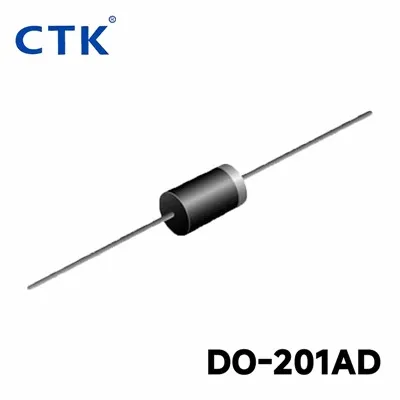
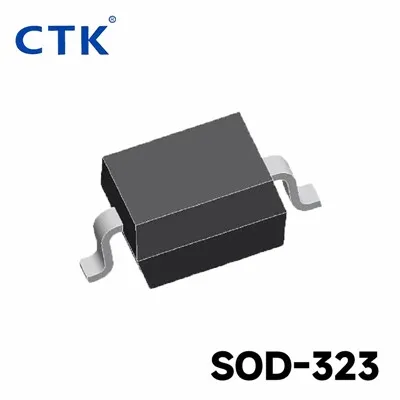
There are different types of Schottky diodes out there, like DO - 201AD Schottky Diodes, SOD - 323 Plastic - Encapsulate Schottky Diodes, SMC Schottky Diodes for Surface - Mount Applications, SMAF Schottky Diodes for Surface - Mount Applications, and TO - 220AC Schottky Diodes. But our focus here is on the SMC Schottky Diodes for surface - mount jobs.
Surface - Mount Applications
Surface - mount technology (SMT) has become super popular in recent years. It allows components to be mounted directly onto the surface of a printed circuit board (PCB). This results in a more compact design and better electrical performance.
We see SMT being used in all sorts of products. Smartphones are a prime example. With the need to pack more and more features into a smaller and smaller space, SMT is the way to go. Also, in medical devices, where reliability and miniaturization are key, SMT is a crucial part of the manufacturing process.
Thermal Performance of DIODE SMC Schottky Diodes
The thermal performance of DIODE SMC Schottky Diodes is a big deal for surface - mount applications. When these diodes conduct current, they generate heat. And if this heat isn't managed properly, it can lead to a bunch of problems.
First off, high temperatures can reduce the lifespan of the diodes. You see, heat speeds up the chemical reactions inside the semiconductor material of the diodes. This can cause the material to degrade over time, leading to a shorter operational life. No one wants to replace diodes in their devices all the time, right?
Secondly, excessive heat can affect the electrical performance of the diodes. The forward voltage drop of a Schottky diode can change with temperature. As the temperature rises, the forward voltage drop may increase, which means more power is wasted as heat. This creates a vicious cycle where more heat is generated, leading to even more problems.
On top of that, high temperatures can also cause thermal stress on the PCB and other components. This can lead to mechanical failures, such as cracked solder joints or delamination of the PCB layers.
How to Improve Thermal Performance
We're not just going to point out the problems without offering solutions. There are several ways to improve the thermal performance of DIODE SMC Schottky Diodes in surface - mount applications.
One way is through proper PCB design. Using a large copper area beneath the diode can act as a heat sink, dissipating the heat away from the diode. Adding thermal vias can also help transfer the heat from the top layer of the PCB to the inner layers, where it can be more effectively dissipated.
Another option is to use heat - conductive adhesives. These adhesives can help transfer the heat from the diode to the PCB or other heat - dissipating structures more efficiently.
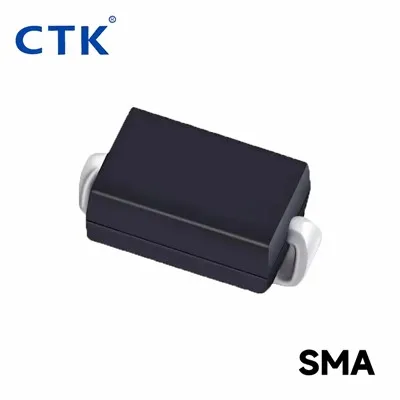
Also, choosing the right diode package is important. For instance, the SMC package for our Schottky diodes is designed to have good thermal characteristics. It provides a larger surface area for heat dissipation compared to some other smaller packages.
Real - World Impact
Let's talk about how all this theory translates into real - world applications. In a power supply unit (PSU) for a computer, DIODE SMC Schottky Diodes are often used for rectification. If the thermal performance of these diodes is poor, the PSU can overheat. This can lead to system crashes, data loss, and even permanent damage to the computer components.
In LED lighting systems, Schottky diodes are used for protection and power management. If the diodes get too hot, the light output can be reduced, and the lifespan of the LEDs can also be affected.
Why Choose Our DIODE SMC Schottky Diodes
As a supplier, we take thermal performance seriously. Our DIODE SMC Schottky Diodes are engineered to have excellent thermal characteristics. We use high - quality materials and advanced manufacturing processes to ensure that our diodes can handle the heat.
We also offer comprehensive technical support. If you're designing a surface - mount application and need help with thermal management, our team of experts is here to assist you. Whether it's advice on PCB design or choosing the right diode for your specific requirements, we've got you covered.
Let's Talk!
If you're in the market for DIODE SMC Schottky Diodes for your surface - mount applications, I'd love to have a chat. We can discuss your project in detail and see how our diodes can best fit your needs. Whether you're a small startup or a large - scale manufacturer, we're committed to providing you with the best products and service.
References
- Ghandhi, S. K. (2010). Semiconductor Power Devices: Physics, Characteristics, Reliability. Springer.
- Nathanson, H. C. (2010). Electronic Circuit Design: Fundamentals Through Applications. Wiley.