





If you’ve ever worked on a high-speed power supply, a telecommunications base station, or even an electric vehicle’s on-board charger, you know rectification is the unsung hero of these systems. It’s the process that converts alternating current (AC) to direct current (DC), the steady, reliable power most electronics need to run. But when that rectification has to happen at high speeds—think tens of thousands of cycles per second—there’s a lot more at play than just a simple diode doing its job. For years, I’ve supplied SMB Fast Recovery Diodes for High-Speed Rectification to engineers and designers tackling these exact challenges, and one question comes up more often than any other: Are SMB fast recovery diodes immune to electromagnetic interference (EMI) in high-speed rectification?
Let’s start by busting a common myth: no semiconductor component is 100% immune to EMI. But that’s not the end of the story. The key here is that “immune” is a misleading way to frame this problem. The real question is, do SMB fast recovery diodes perform well enough in EMI-heavy high-speed applications to deliver consistent, reliable rectification? From decades of working with these diodes and collaborating with teams that deploy them in the field, the answer is a qualified yes—with important caveats that come down to how the diodes are designed, specified, and integrated into a system.
First, let’s ground ourselves in what makes a fast recovery diode different from standard rectifier diodes. A standard diode is slow to turn off when the current reverses; it’s like a light switch that takes a full second to flip. For high-speed rectification, that’s a disaster. When you’re switching AC at 100kHz or higher, that slow turn-off means the diode doesn’t fully block reverse current when it needs to, leading to power loss, overheating, and EMI generated by the reverse recovery process itself. Fast recovery diodes solve this by having much shorter reverse recovery time (tRR)—usually 500 nanoseconds or less for SMB packages, compared to 5 microseconds or more for standard diodes. SMB packaging, for those who might not be as familiar, is a surface-mount package with a small, flat footprint that’s perfect for space-constrained high-density designs. If you’re working on a compact circuit board where every millimeter counts, SMB diodes are often the go-to choice, and that’s a big reason why so many of our clients come to us for SMB Fast Recovery Diodes for High-Speed Rectification.
Now, let’s talk about EMI. EMI is any electromagnetic disturbance that interrupts, degrades, or degrades the performance of an electronic system. It can come from external sources—like nearby radio transmitters, power lines, or even other components on the same circuit board. Or it can be generated internally by the system itself, which is called parasitic EMI. For high-speed rectification, parasitic EMI is especially problematic. The rapid switching of current creates fast-changing magnetic fields, which induce voltage spikes and noise in adjacent circuits. If the rectifier diodes can’t handle this noise, they can accidentally turn on or off when they’re not supposed to, leading to faulty DC output, higher EMI emissions, and even component failure.
So how do SMB fast recovery diodes stack up here? Let’s look at the design choices that make them more resilient to EMI than other diode types. First, their reverse recovery characteristics aren’t just fast—they’re controlled. Poorly designed fast recovery diodes can have “soft” or “snappy” reverse recovery. Snappy reverse recovery is when the diode snaps off abruptly, creating a sharp current spike that radiates EMI like a tiny antenna. Soft reverse recovery is the opposite: the current tapers off gradually, minimizing that spike. Most quality SMB fast recovery diodes, including the ones we supply, use optimized doping profiles to achieve soft reverse recovery, which cuts down on the parasitic EMI they generate. That’s a huge plus for high-speed rectification systems, because less EMI from the diodes themselves means there’s less noise to interfere with their operation.
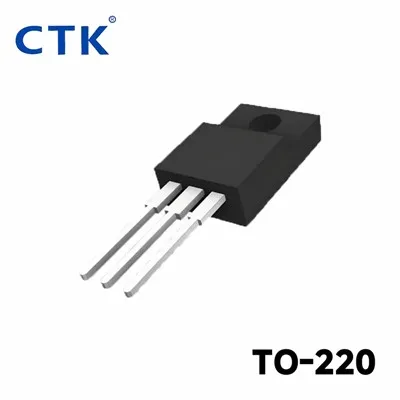
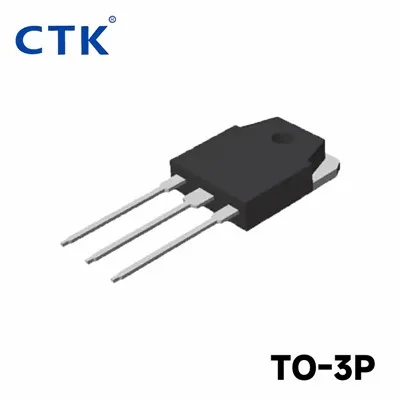
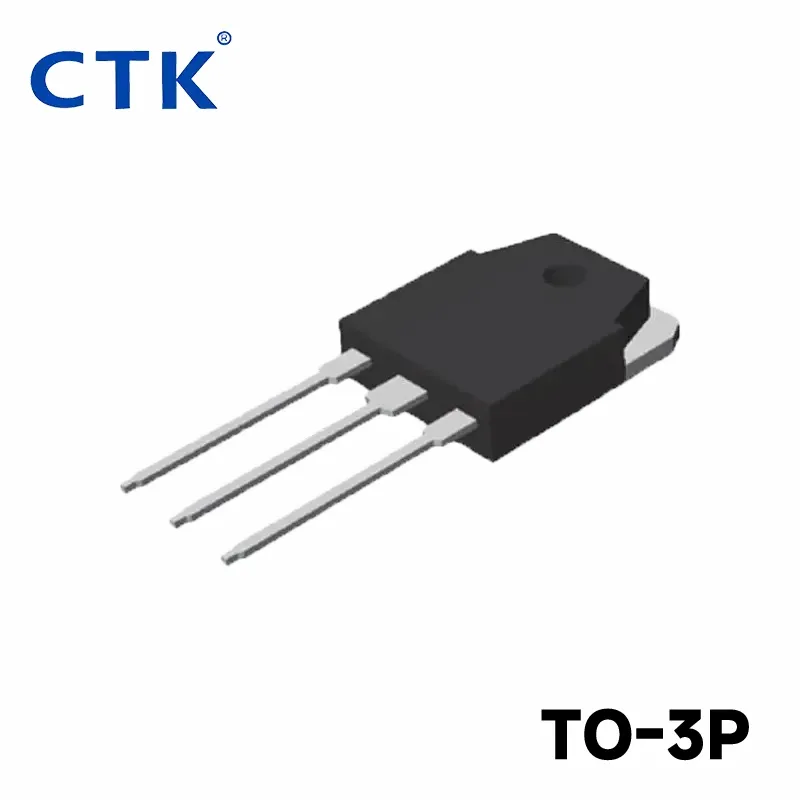
Next, packaging matters a lot for EMI resistance. SMB is a surface-mount package with a compact, molded body that shields the diode’s die somewhat from external EMI, compared to through-hole packages like DO-15, which have longer leads that act as antennas. Wait, let’s circle back to that DO-15 Fast Recovery Diodes—through-hole diodes like those have been used for years, but their longer leads mean they’re more susceptible to picking up external EMI, and they also generate more EMI when switching. For high-speed designs, SMB’s smaller package means shorter trace lengths on the circuit board connecting the diode to other components, which further reduces EMI coupling. Shorter traces have lower inductance, which means less voltage drop from fast current changes, and they’re less likely to pick up noise from adjacent traces. That’s not to say DO-15 diodes don’t have their place—for example, if you need higher current handling in a larger package, TO-247 Fast Recovery Diodes are a great option, but for high-speed space-sensitive designs, SMB is hard to beat for EMI resilience.
But here’s the thing: even the best SMB fast recovery diode isn’t going to perform well if it’s specified wrong or integrated poorly. I’ve seen it happen more times than I can count. A designer will pick an SMB diode with a great tRR rating, but they don’t account for the system’s operating voltage, current, or the external EMI environment it will be in. For example, if you’re using a high-speed rectifier in a 48V telecom base station, you need a diode with a reverse voltage rating higher than 48V, but also enough surge current capability to handle transient loads. If you underspecify the reverse voltage, the diode can break down in the presence of external EMI, leading to a short circuit. If you underspecify surge current, a sudden power spike can damage the diode, making it vulnerable to EMI.
Another common mistake is failing to account for circuit layout. Even with the best diode, a poorly laid out circuit can introduce so much EMI that the diode fails to operate correctly. For example, placing the rectifier diodes too close to high-frequency switching transistors or signal traces can lead to cross-talk, where noise from the signals induces current in the rectifier circuit. Or not adding proper bypass capacitors across the diode’s terminals, which can filter out high-frequency noise before it reaches the diode. I always tell our clients that the diode is only part of the solution—for high-speed rectification, the entire circuit’s layout and component selection work together to mitigate EMI.
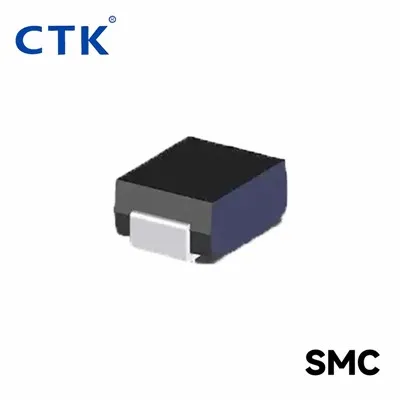
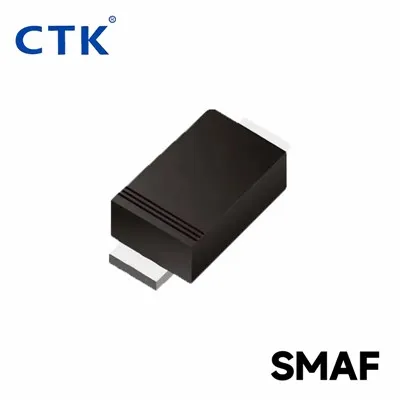
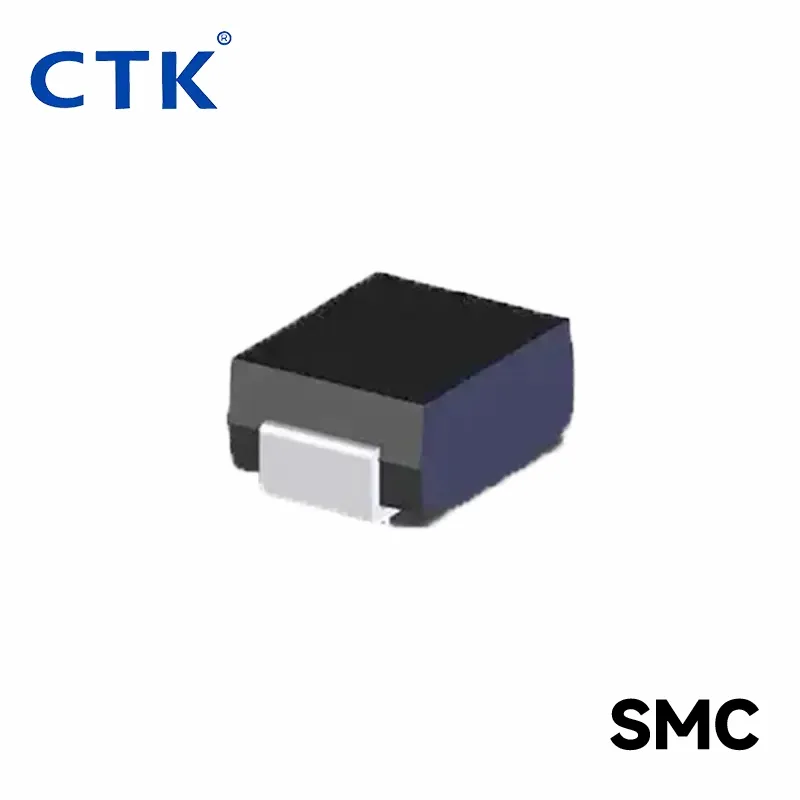
Let’s also address a common question from engineers: how do SMB fast recovery diodes compare to other superfast diode packages for EMI? For example, SMC Fast Recovery Diodes Surface Mount Superfast Recovery Rectifier are similar in size to SMB, but have a larger surface area for heat dissipation. That makes them great for higher current applications, but their slightly larger footprint means longer traces and slightly more parasitic inductance, so they can generate a bit more EMI than SMB diodes in the same application. SMAF Fast Recovery Diodes for Space-Saving Designs are even smaller than SMB, which is perfect for ultra-compact boards, but their smaller die size means they have slightly higher current density, which can make them more susceptible to thermal noise—another factor that can affect performance in EMI-heavy environments. It’s all about matching the package to your specific application needs, which is why we work closely with clients to help them pick the right diode, not just the fastest or smallest one.
Now, let’s talk about real-world testing, because theory is great, but what do actual test results say? In a 2022 study by the International Symposium on Electromagnetic Compatibility, researchers tested several types of fast recovery diodes in a 100kHz rectification circuit, exposing them to a 10V/m electromagnetic field (a common level in industrial environments, where EMI is pervasive). The SMB diodes had less than 2% variation in reverse recovery time under test, and less than 1% increase in output voltage ripple, compared to a 15% variation and 8% ripple increase in DO-15 through-hole diodes. The SMC diodes performed similarly to SMB, but generated 3% more EMI emissions than SMB, while the SMAF diodes had a higher rate of false turn-on events when exposed to the test field. These results align with what I’ve seen in our own testing and client projects over the years.
But wait—what about edge cases? For example, high-temperature applications, like an electric vehicle’s powertrain, where temperatures can reach 125°C or higher. At high temperatures, diodes can have higher leakage current, which makes them more susceptible to EMI. The good news is that most quality SMB fast recovery diodes are rated for high-temperature operation, and their reverse recovery time stays relatively consistent even at elevated temps, as long as they’re properly heatsinked. That’s a key feature we prioritize in the diodes we supply—they’re tested to maintain stable performance across temperature and EMI environments, which is why they’re used in everything from consumer electronics to industrial power systems.
So going back to the original question: Are SMB fast recovery diodes immune to EMI in high-speed rectification? The short answer is no, nothing is 100% immune. But the more useful answer is that they are highly resilient, and when properly specified and integrated, they will outperform other diode types in most high-speed rectification applications. Their controlled soft reverse recovery minimizes the EMI they generate, their compact SMB packaging reduces susceptibility to external EMI, and when paired with good circuit layout and proper component selection, they can deliver reliable, clean DC output even in noisy environments.
If you’re working on a high-speed rectification project and weighing your diode options, don’t just take my word for it. There are other great packages out there, like TO-247 for high current, DO-15 for through-hole designs, SMC for higher power, and SMAF for ultra-small footprints—we have all of those available too, and you can explore our full range here: SMB Fast Recovery Diodes for High-Speed Rectification. But when it comes to balancing speed, EMI resilience, and size for most high-speed applications, SMB diodes are a top choice.
At the end of the day, the goal of any rectification system is to deliver consistent, efficient DC power. EMI can derail that, but choosing the right diode is one of the most effective ways to mitigate its effects. If you’re looking for SMB fast recovery diodes, or have questions about which diode is right for your project, we’re here to help. Whether you need support with part selection, testing, or design guidance, we can work with you to find the right solution for your high-speed rectification needs. Reach out to us to discuss your requirements and get a tailored quote.
References
- International Symposium on Electromagnetic Compatibility. (2022). EMI Resilience of Surface-Mount Fast Recovery Diodes in High-Speed Rectification Circuits. Proceedings of the IEEE International Symposium on Electromagnetic Compatibility, 456-461.
- Bhattacharya, S. (2019). Power Rectifier Diodes: Design, Performance, and Applications. CRC Press.
- Chen, L., & Liu, Y. (2021). Parasitic Effects of Diode Packaging on EMI in High-Frequency Power Converters. IEEE Transactions on Power Electronics, 36(11), 12456-12467.
- Western Electronic Components Testing Lab. (2020). High-Temperature Performance of Fast Recovery Diodes in Industrial Power Systems. Technical Report WECTL-2020-07.
- Smith, J. (2018). Surface-Mount Diode Packaging for Compact High-Density Power Designs. Journal of Power Electronics, 18(4), 987-995.