






Hey there! As a supplier of SOT - 23 Plastic Package Low Voltage MOSFETs, I've often been asked about how to measure the parameters of these little components accurately. Well, in this blog, I'm gonna share some tips and tricks that I've picked up over the years in the business.
First off, let me give you a bit of background. SOT - 23 Plastic Package Low Voltage MOSFETs are super useful in a whole bunch of applications, from mobile devices to power management circuits. They're small, efficient, and can handle low - voltage operations like a champ. You can check out more about them on our website SOT - 23 Plastic Package Low Voltage MOSFETs.
Now, when it comes to measuring the parameters of these MOSFETs, there are a few key things that we need to focus on: drain - source on - resistance (RDS(on)), gate - source threshold voltage (VGS(th)), and drain current (ID).
Measuring Drain - Source On - Resistance (RDS(on))
RDS(on) is a crucial parameter as it determines the power loss in the MOSFET when it's in the on - state. To measure it accurately, you'll need a power supply, a multimeter, and a load resistor.
- First, connect the MOSFET in a circuit. Make sure to apply a proper gate voltage (VGS) to turn the MOSFET fully on. Usually, for low - voltage MOSFETs, a VGS of around 2 - 4V is sufficient.
- Then, measure the drain - source voltage (VDS) across the MOSFET using the multimeter. At the same time, measure the drain current (ID) flowing through the circuit.
- Now, use the formula RDS(on)=VDS/ID to calculate the drain - source on - resistance.
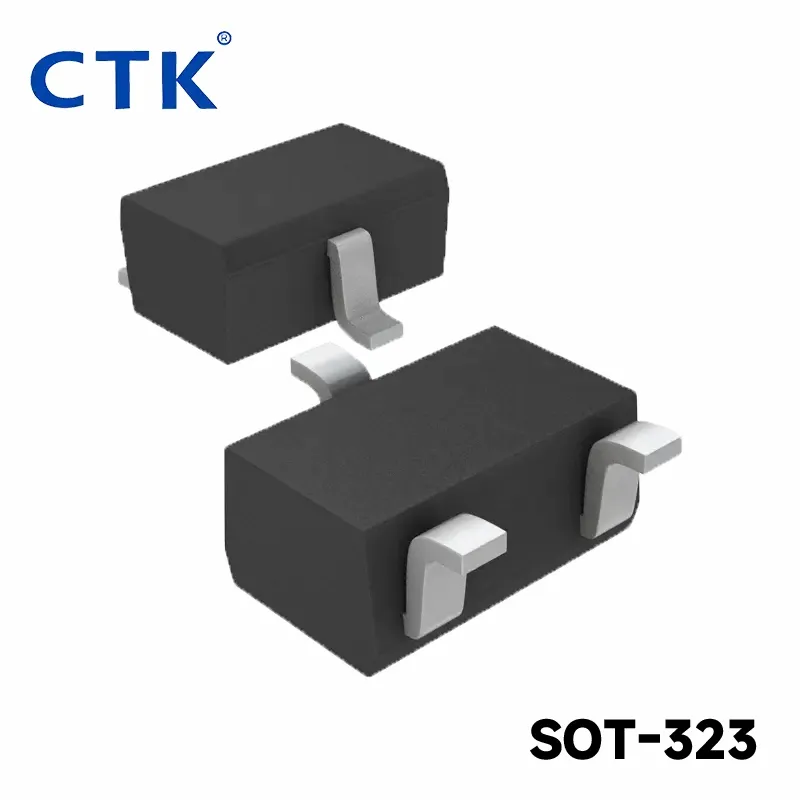
It's important to note that the RDS(on) can vary with temperature and the gate - source voltage. So, try to measure it under the operating conditions as close to the actual application as possible. If you're interested in other similar products, we also have SOT - 323 Low Voltage MOSFETs Plastic Package that might suit your needs.
Measuring Gate - Source Threshold Voltage (VGS(th))
The gate - source threshold voltage is the minimum voltage required at the gate to start conducting current between the drain and the source. Here's how you can measure it:
- Set up a circuit with the MOSFET, a variable voltage source for the gate, and a current - sensing resistor in the drain path.
- Slowly increase the gate voltage (VGS) from 0V. Monitor the drain current (ID).
- The VGS(th) is the value of VGS at which a small, predefined drain current (usually in the microamp range) starts flowing.
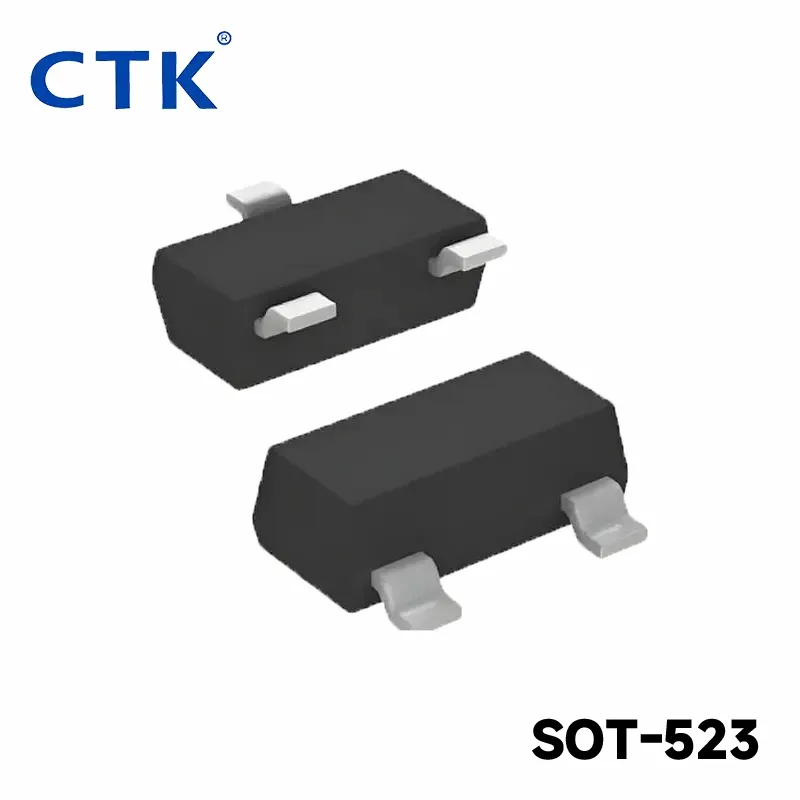
Keep in mind that different MOSFETs may have slightly different definitions of VGS(th) based on the specified drain current. So, always refer to the datasheet for the exact criteria. For more variety, you might also look at our SOT - 523 Low Voltage MOSFETs.
Measuring Drain Current (ID)
The drain current is another important parameter that indicates the amount of current the MOSFET can handle. To measure it:
- Connect the MOSFET in a circuit with a power supply, a load resistor, and a gate - driving voltage source.
- Use an ammeter to measure the current flowing through the drain terminal. Make sure that the ammeter has a low enough resistance not to affect the circuit significantly.
The drain current can be affected by factors such as the gate - source voltage, temperature, and the drain - source voltage. So, it's important to measure it under controlled conditions.
Challenges in Measurement
Measuring the parameters of SOT - 23 Plastic Package Low Voltage MOSFETs isn't always a walk in the park. There are a few challenges that you might face:
- Temperature Effects: Temperature can have a big impact on the performance of MOSFETs. As the temperature rises, the RDS(on) increases, and the VGS(th) decreases. To minimize the temperature effect, you can use a heat sink or perform the measurements in a temperature - controlled environment.
- Parasitic Capacitances: SOT - 23 packages have parasitic capacitances that can affect the measurement accuracy, especially at high frequencies. You may need to use proper shielding and grounding techniques to reduce the impact of these capacitances.
- Measurement Instrument Errors: The accuracy of your measurement instruments (like multimeters and ammeters) can also affect the results. Make sure to calibrate your instruments regularly and use high - quality ones.
Tips for Accurate Measurement
Here are some tips to help you get more accurate measurements:
- Use Proper Test Jigs: A good test jig can ensure a stable connection between the MOSFET and the measurement equipment, reducing the contact resistance and improving the measurement accuracy.
- Take Multiple Measurements: To reduce the measurement errors, take multiple readings and calculate the average value. This can help to smooth out any random fluctuations in the measurement.
- Follow the Datasheet: Always refer to the product datasheet for the recommended measurement conditions and procedures. The datasheet provides valuable information about the device characteristics and can help you get more accurate results.
Conclusion
Accurately measuring the parameters of SOT - 23 Plastic Package Low Voltage MOSFETs is essential for ensuring the proper performance of your circuits. By following the methods and tips I've shared in this blog, you'll be well on your way to getting reliable measurement results.
If you're in the market for high - quality SOT - 23 Plastic Package Low Voltage MOSFETs or other related products, feel free to reach out. We're here to discuss your specific requirements and help you find the best solutions for your applications. Don't hesitate to start a conversation about purchasing options.
References:
- Manufacturer datasheets of SOT - 23 Plastic Package Low Voltage MOSFETs
- Electronics textbooks on semiconductor device measurement techniques